
Views: 0 Author: Site Editor Publish Time: 2026-10-21 Origin: Site


The construction and interior design sectors are shifting fast. Property owners know the headaches of conventional flooring all too well. Traditional hardwood looks incredible but warps the second humidity hits. Standard vinyl is notorious for denting under heavy loads. Ceramic tile handles water fine, but it freezes your feet and drains your budget during labor-intensive installations. Builders, homeowners, and commercial contractors need a foundation that balances industrial toughness, high-end aesthetics, and strict cost control.
Enter stone plastic composite flooring. This innovative material solves the moisture and durability problems we see on job sites every day. It delivers a tough, fully waterproof solution that eliminates common renovation failures. In this guide, we will break down its unique structural composition, practical daily applications, and exact specifications for choosing the perfect plank for your next build.
Defined by Density: Standing for Stone Plastic Composite, this ultra-durable flooring utilizes a limestone-infused core engineered for maximum dimensional stability.
Impervious to Moisture: Unlike traditional timber or standard fiberboard laminate, this surface will not swell, buckle, or degrade when exposed to liquid spills or environmental humidity.
Versatile Applications: Highly adaptable by design, it proves ideal for both high-traffic commercial environments and moisture-prone residential zones like kitchens, bathrooms, and subterranean basements.
A Smart Investment: It delivers a highly durable, dent-resistant, and cost-effective alternative to standard Luxury Vinyl Tile, significantly reducing long-term maintenance expenditures.
When evaluating modern interior finishes, you will frequently encounter the term SPC board. On a structural level, it represents a massive upgrade over standard resilient flooring. Instead of relying solely on flexible PVC resins, the core of this material combines natural limestone powder, polyvinyl chloride, and highly specialized chemical stabilizers.
This unique manufacturing blend is extruded under extreme heat and pressure. The result is an incredibly dense, rigid foundation. It does not flex easily. It does not absorb moisture. Consequently, for facility managers seeking a reliable base, this composite structure provides exceptional dimensional stability. It actively resists the natural expansion and contraction triggered by seasonal temperature shifts. This ensures the surface remains completely flat, secure, and structurally sound over decades of heavy use.
To fully grasp why this material performs so well in demanding environments, we need to look at its meticulously engineered layered construction. Each layer is fused together under high heat to serve a distinct, functional purpose on the job site.
Layer Name | Material Composition | Primary Function |
|---|---|---|
UV Coating Layer | Specialized UV-cured polyurethane | Prevents premature fading from direct sunlight exposure, seals the surface, and adds initial stain resistance. |
Wear Layer | Transparent polymer often enhanced with ceramic beads | Protects the underlying design film against daily scratches, scuffs, and micro-abrasions from foot traffic. |
Color/Decor Film | High-definition printed film | Mimics the natural, authentic appearance of hardwood grain, natural stone, or ceramic tile with high visual fidelity. |
SPC Core | Limestone powder and PVC composite | The structural heart of the plank. Extremely dense, completely impervious to water, and dimensionally stable. |
Attached Underlayment | IXPE foam, EVA foam, or natural cork | Provides necessary sound insulation, thermal regulation, and ergonomic comfort underfoot. |
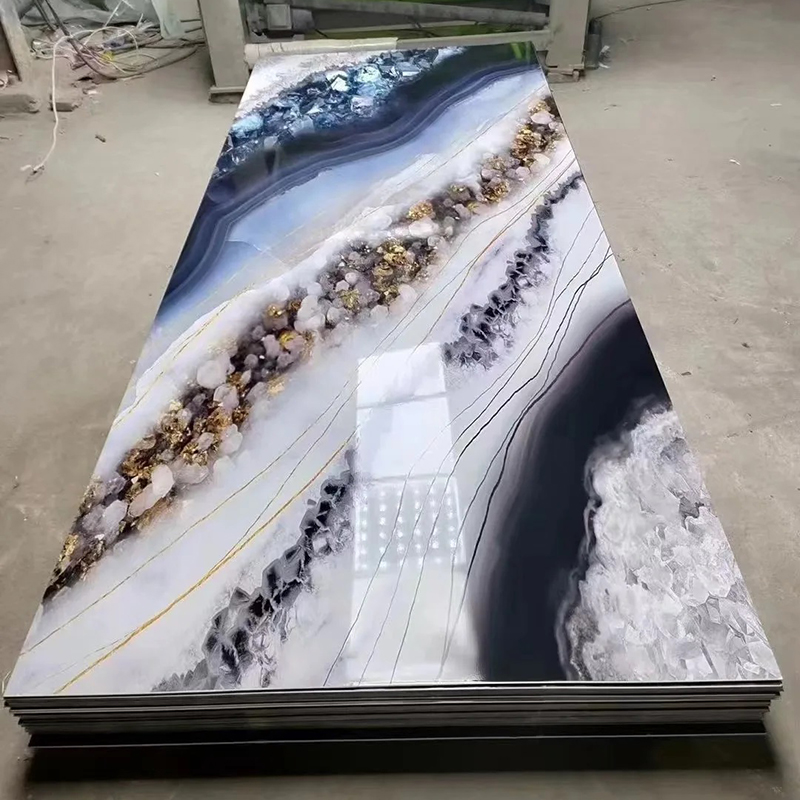
Understanding the practical, day-to-day benefits of this flooring category helps clarify why it has rapidly become a preferred choice for modern renovations. It successfully bridges the gap between premium aesthetic appeal and heavy-duty, industrial-grade performance.
Moisture remains the primary enemy of traditional wood and fiberboard-based floors. When exposed to standing water, those organic materials absorb liquid through capillary action. This leads to swelling, warping, and irreversible structural decay. In stark contrast, a waterproof flooring board crafted from stone composite is entirely impervious to water. Because the core contains zero organic wood fibers, it will maintain its exact structural integrity even if a plumbing fixture leaks and completely submerges the floor. This makes it a highly reliable option for spill-prone areas, high-humidity climates, and below-grade installations.
Standard luxury vinyl is highly flexible and relatively soft. That makes it susceptible to permanent dents from heavy furniture, dropped tools, or concentrated weight. The limestone composite core completely changes this dynamic. Its dense mineral composition provides superior static load limits and impact resistance. It effectively distributes the weight of heavy kitchen appliances, solid wood cabinetry, and constant commercial foot traffic. This prevents the permanent indentations that frequently ruin softer flooring materials.
Residential environments require building materials that can withstand unpredictable daily chaos. This flooring is highly resistant to scratches. It easily handles the frantic scrambling of large pets or the scraping of metal dining chairs, largely due to its robust, commercially rated wear layer. Furthermore, the non-porous surface prevents liquid stains like wine or coffee from setting into the material. This allows for quick, effortless cleanups with standard household tools. It is specifically engineered to handle reality without requiring constant, expensive refinishing.
Labor costs often consume a prohibitive portion of a renovation budget. These planks are engineered with precision-milled click-lock installation systems like Unilin or Valinge profiles. This mechanical design allows the individual pieces to snap together seamlessly, creating a unified floating floor. It entirely eliminates the need for messy chemical adhesives, specialized nailing tools, or extensive curing times. A handy homeowner can often install an entire room in a weekend using little more than a utility knife for scoring and snapping the planks, a tapping block, and a mallet.
To make a truly informed purchasing decision, it is necessary to objectively evaluate the potential drawbacks of any building material. While offering exceptional durability, the unique stone-based composition presents a few distinct limitations that buyers must consider before committing to a purchase.
The primary mechanical strength of this material is its extreme density. However, this physical property directly affects ergonomic comfort. Because it is formulated with a high percentage of solid limestone, it lacks the cushioning inherently found in standard luxury vinyl, linoleum, or thick carpet. Standing on it for extended periods may cause slight joint or foot fatigue. Selecting premium boards equipped with a high-quality, pre-attached IXPE foam underlayment can help mitigate this stiffness. Just keep in mind it will never mimic the plush feel of traditional cushioned flooring.
Unlike natural solid hardwood, which naturally retains ambient room heat and feels warm to the touch, a rigid core board tends to feel colder to bare feet. This is particularly noticeable during harsh winter months. It conducts thermal energy similarly to ceramic or porcelain tile. However, this specific heat-conducting characteristic also makes it an excellent, highly efficient candidate for radiant floor heating systems. You just need to ensure the manufacturer's specific temperature guidelines, usually capping surface heat around 85 degrees Fahrenheit, are strictly followed.
The highly versatile nature of this composite material allows it to be successfully deployed across a wide variety of architectural settings. From cozy residential upgrades to demanding, high-traffic commercial environments, it adapts seamlessly to specific project requirements.
Before diving into specific rooms, let us look at the broader market. Industry data shows a massive pivot toward rigid core materials over the last three years. With raw timber prices fluctuating and commercial clients demanding zero-maintenance interiors, developers are abandoning traditional laminates. The focus is now on life-proof surfaces that deliver high-end aesthetics without the lifecycle costs of real wood. This shift is redefining how we approach both residential flips and large-scale commercial fit-outs.
Moisture-heavy rooms demand specialized, water-resistant materials. This is the ultimate choice for kitchens, bathrooms, and laundry rooms. Accidental spills, plumbing leaks, and high ambient humidity will not cause structural degradation or mold growth within the planks. Additionally, basements are notoriously prone to moisture vapor emissions from concrete foundation slabs. They benefit greatly from this waterproof barrier. For first-time homebuyers or real estate investors, it provides the luxurious look of natural wood without the steep price tag or the constant maintenance anxiety associated with timber.
Retail stores, corporate office buildings, healthcare facilities, and bustling restaurants experience intense daily foot traffic. Traditional flooring materials wear down rapidly, lose their finish, or require constant waxing in these unforgiving environments. By utilizing a high-density board, facility managers can ensure long-lasting performance and aesthetic retention. It withstands the abrasive friction of rolling utility carts, heavy commercial display racks, and rigorous daily cleaning protocols far better than standard resilient options.
Rooms exposed to significant direct sunlight and rapid temperature shifts challenge the dimensional stability of any flooring. Natural wood expands and contracts violently. Traditional flexible vinyl can warp, peak, or fade under direct solar heat. The dense limestone core significantly reduces thermal expansion rates. This ensures the floor remains stable, locked, and flat even as seasonal temperatures fluctuate dramatically.
Navigating the modern resilient flooring market requires understanding the technical distinctions between various industry terms. While Luxury Vinyl Tile, Wood Plastic Composite, and Stone Plastic Composite all fall under the broader vinyl category, their distinct core constructions dictate entirely different performance metrics and optimal use cases.
Both options feature a rigid core, but their internal engineering diverges significantly. WPC utilizes a core manufactured from wood pulp, plasticizers, and chemical foaming agents. This aeration process creates microscopic air pockets. The result is a thicker, lighter, and considerably softer board. WPC provides superior underfoot comfort and excellent acoustic sound insulation. This makes it ideal for residential bedrooms or upper-level apartments where noise reduction is prioritized. Conversely, SPC is significantly denser, thinner, and heavier due to its solid stone composition. While less cushioned, it offers vastly superior impact resistance. This makes it the better choice for commercial areas or rooms accommodating heavy furniture.
Traditional Luxury Vinyl Tile is constructed from multiple layers of flexible PVC, completely lacking a rigid inner core. Because this standard PVC flooring panel is so pliable, it conforms exactly to the shape of the subfloor beneath it. This phenomenon means that any minor imperfection, bump, or divot in the subfloor will eventually become visible on the surface. This often requires expensive self-leveling compounds before installation. In contrast, the inherent stiffness of a stone composite plank allows it to bridge minor subfloor imperfections seamlessly. It typically bridges gaps up to 3/16 of an inch over a 10-foot span, saving installers significant time and money on extensive floor preparation.
Feature | Traditional LVT | WPC | SPC |
|---|---|---|---|
Core Material | 100% Flexible PVC | Wood pulp, PVC, foaming agents | Limestone powder, PVC, stabilizers |
Rigidity | Highly flexible | Semi-rigid and aerated | Ultra-rigid and dense |
Subfloor Forgiveness | Poor | Good | Excellent |
Impact/Dent Resistance | Moderate | Moderate to Low | Exceptionally High |
Ideal Application | Budget-friendly light residential | Bedrooms, living rooms | Commercial, kitchens, heavy traffic |
Not all flooring products are manufactured to the same rigorous quality standards. When you are preparing to request a commercial quote or finalize a personal residential purchase, evaluating specific technical specifications is crucial. You want to ensure long-term performance and maximize your return on investment.
The transparent polyurethane-based top coating acts as the primary defense against scratches, scuffs, and daily abrasion. The thickness of this layer is the single most important factor in determining the lifespan of the floor. It is typically measured in mils or millimeters.
12 mil or 0.3mm: Suitable for light to moderate residential use, such as guest bedrooms, home offices, or low-traffic dining areas.
20 mil or 0.5mm: The highly recommended industry standard for busy households with large pets, active children, or light commercial spaces like boutique shops.
28 mil or 0.7mm and above: Engineered strictly for heavy commercial applications, such as high-volume retail store aisles, hotel lobbies, or hospital corridors.
While the wear layer dictates surface durability, the total thickness of the board directly impacts its structural integrity and the strength of its click-lock installation mechanism. Based on top-tier engineering standards, high-quality products range from 4mm to 8mm in total thickness. Thinner boards are budget-friendly but feature fragile locking joints that can easily snap if the subfloor is uneven. A thicker board, typically 5mm and above, provides a much deeper, more robust locking system. This drastically reduces the risk of planks separating over time. Look for boards utilizing 100% virgin materials to ensure the locking mechanisms do not become brittle during installation.
Many premium variations feature a pre-attached underlayment pad made of Irradiated Cross-Linked Polyethylene or EVA foam on the back of the plank. A standard 1.5mm IXPE pad saves considerable installation time and provides necessary acoustic dampening for the rigid core. If your subfloor is bare concrete, an attached pad provides a crucial thermal break. However, if you are installing over an existing floor that already possesses a cushion, or if the chosen product lacks a factory backing, you must consult the manufacturer’s technical guidelines. Select a compatible, dense, separate underlayment that will not compromise the locking joints.
One of the primary value propositions of this flooring category is its ease of installation and low-maintenance lifecycle. However, achieving a professional-grade result requires strict adherence to industry best practices during both the preparation and upkeep phases.
Although the limestone core provides exceptional dimensional stability, acclimation remains a best practice. It is recommended to leave the boxed planks in the installation room for 24 to 48 hours prior to installation. This allows the material to reach temperature equilibrium with the environment so the click-lock mechanisms engage smoothly.
Subfloor preparation is the most critical step on any job site. While the material is forgiving, the subfloor must still be structurally sound, clean, and relatively flat. Grind down any high spots. Fill low valleys with a Portland cement-based leveling compound. If installing over a concrete slab, conducting a moisture vapor emission rate test is highly advised. Excessive hydrostatic pressure from concrete can cause mold growth beneath the planks, necessitating a 6-mil polyethylene vapor barrier.
Maintaining the aesthetic integrity of your floor requires a minimalist approach. The dense, non-porous surface prevents dirt and spills from penetrating. This makes aggressive cleaning methods completely unnecessary and potentially harmful.
Routine Cleaning: Implement a regular sweeping or vacuuming schedule to remove abrasive dirt and grit. Ensure your vacuum is set to the hard floor setting with the rotating beater bar disengaged. Stiff bristles can cause micro-scratches over time.
Mopping Protocol: When mopping is required, use a damp microfiber mop combined with a pH-neutral flooring cleaner. Avoid traditional string mops that simply push dirty water into the microscopic bevels of the planks.
What to Avoid: Never use steam mops. The extreme heat generated by steam cleaners can compromise the adhesive bonds holding the layers together, leading to delamination or clouding. Strictly avoid abrasive scrubbers, bleach, ammonia, or oil-based detergents, which will leave a dulling residue on the surface.
A stone plastic composite board represents the ultimate intersection of industrial durability, waterproof technology, and high-end aesthetic appeal. By replacing vulnerable organic materials with a dense limestone core, it eliminates the constant worry of water damage, deep scratches, and seasonal warping.
Whether you are tackling a first-home kitchen remodel, upgrading a damp basement, or outfitting a high-traffic commercial lobby, this resilient flooring variant offers unmatched long-term value and peace of mind. If you are ready to transform your space with materials engineered for reality, head over to Allsign to explore their premium waterproof collections. Review their exact product specifications, match the wear layer to your foot traffic, and secure a foundation built to last.
Yes. The stone-plastic composite core contains absolutely no wood fibers or organic materials. This specialized engineering ensures that the material will not absorb water, swell, or warp when exposed to moisture. It is a true waterproof flooring solution perfectly suited for bathrooms, kitchens, and basements.
In most cases, yes. Because it is a rigid product, it can successfully bridge minor gaps, grout lines, and imperfections in the subfloor. This allows it to be installed directly over existing hard surfaces like ceramic tile or well-adhered hardwood, provided the existing floor is relatively flat and structurally sound.
High-quality boards are manufactured to be non-toxic and environmentally safe. They are free of formaldehyde, phthalates, and harmful heavy metals. To ensure maximum safety for homes with children and pets, buyers should verify that the product utilizes 100% virgin PVC and carries recognized indoor air quality certifications.
The longevity of the floor is primarily determined by the thickness of its wear layer and the volume of daily foot traffic it endures. In typical residential applications, a board equipped with a standard 20-mil wear layer can easily last 15 to 25 years. With meticulous care and proper maintenance, many high-quality installations can last a lifetime.
This depends entirely on the specific product purchased. Many modern variations come manufactured with a pre-attached underlayment pad made of IXPE or EVA foam. If the product includes this backing, an additional underlayment is unnecessary and could actually damage the locking joints by providing too much cushion. If the board does not have an attached pad, a separate, high-density underlayment is highly recommended to improve sound reduction and walking comfort.
Yes. Even though the limestone core is highly dimensionally stable, the manufacturer's click-lock mechanisms and the PVC components respond slightly to temperature changes. Leaving the boxes in the installation room for 24 to 48 hours ensures the planks adjust to the ambient temperature, preventing locking joints from becoming brittle or overly tight during assembly.
No. Steam mops force extreme heat and pressurized moisture directly onto the surface and into the seams. This intense heat can break down the adhesives that bind the wear layer, decor film, and core together, eventually causing the floor to delaminate or warp. Stick to a damp microfiber mop and a pH-neutral cleaner for safe maintenance.


