
Views: 0 Author: Site Editor Publish Time: 2026-07-10 Origin: Site


Evaluating bathtub materials often comes down to mitigating long-term risks. Builders and homeowners constantly fight against water damage, surface degradation, and structural failure. The term "acrylic" floods the market, but suppliers often conflate it with cheaper composite blends. Understanding the exact composition and physical properties of a genuine bathtub acrylic sheet is absolutely critical for both B2B sourcing and high-value residential remodels. Choosing the wrong material leads to costly leaks and premature replacements. We wrote this guide to clarify these material properties and separate fact from marketing fiction. You will learn the exact material science behind sanitary-grade acrylic. We explain the mechanics of its waterproofing capabilities. Finally, we provide an evidence-based framework for evaluating it against standard alternatives to ensure maximum property longevity.
Genuine bathtub acrylic sheets are made from continuous-cast Polymethyl Methacrylate (PMMA), offering a naturally non-porous structure.
Unlike gel-coated fiberglass, acrylic’s waterproof nature is inherent to the material matrix, not a superficial topcoat that can wear away.
While highly resistant to water and fading, acrylic requires robust fiberglass or resin backing for structural integrity.
Evaluating a sanitary ware acrylic sheet requires checking material thickness (typically 3mm to 6mm) and the quality of its structural reinforcement.
Genuine bathtubs do not just pour out of a generic plastic mold. Manufacturers rely on Polymethyl Methacrylate (PMMA). We commonly call this material acrylic. PMMA is a durable, transparent thermoplastic used across numerous high-stress industries. The manufacturing sector produces it in two primary ways: extrusion and casting. Extruded acrylic pushes raw plastic through a mechanical die. It works well for flat, simple applications like basic signage. However, a premium sanitary ware acrylic sheet uses continuous-cast PMMA. Casting pours liquid resin directly between massive glass plates. This creates a denser, more uniform molecular structure. Continuous-cast sheets offer superior thermal forming capabilities. They resist warping under intense heat during production.
The manufacturing reality of bathtubs centers around a process called vacuum forming. Factories take a flat, heated acrylic panel and place it directly over a custom bathtub mold. The oven heats the plastic until it becomes highly pliable, acting almost like a thick rubber sheet. Powerful vacuums then draw the soft plastic tightly against the intricate contours of the mold. The sheet stretches deeply to form the main basin shape. Once positioned, the material cools rapidly and hardens into a seamless, permanent shell.
We must clarify a very common industry misconception here. An acrylic tub is never fully solid acrylic. A solitary acrylic shell lacks necessary structural rigidity. The sheet serves solely as the waterproof top layer. It acts as the protective outer skin. Manufacturers must reinforce the hidden underside to prevent collapsing. They apply thick layers of chopped fiberglass roving mixed with polyester resin. Workers manually roll this mixture out to remove trapped air bubbles. This hidden backing provides massive load-bearing strength. Without it, the tub would buckle immediately under the combined weight of water and human users.
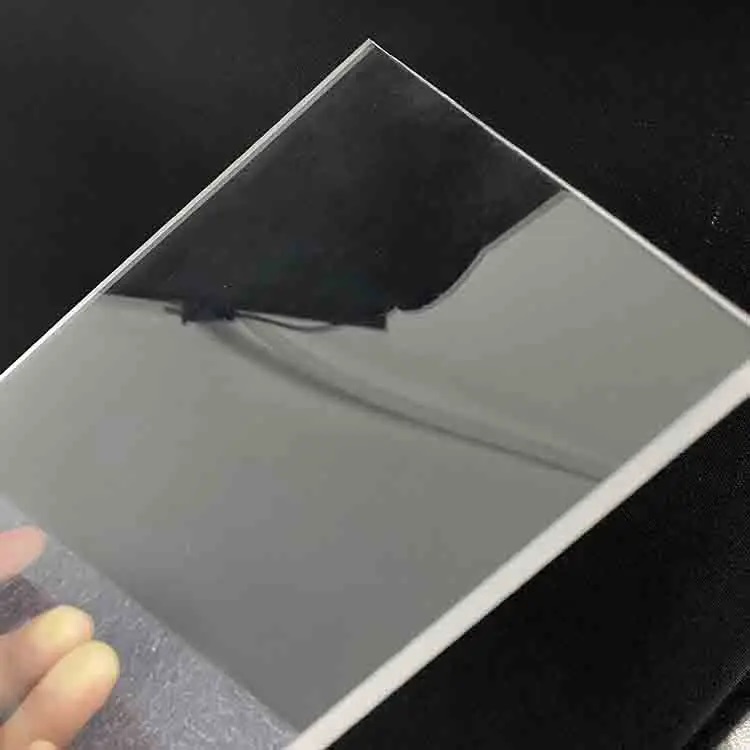
Many building materials claim water resistance, but they rely on temporary chemical barriers. A genuine waterproof acrylic sheet achieves this protection at the molecular level. We must firmly distinguish between solid surfaces and coated surfaces. Fiberglass uses a sprayed topcoat that sits on the surface. PMMA relies entirely on its inherent molecular density. The complex polymer chains pack tightly together during the casting process. Water molecules physically cannot penetrate this dense matrix. The material possesses absolute zero porosity. It never absorbs ambient moisture from the bathroom environment. This starves mold and mildew of the dampness they need to grow.
Color homogeneity adds another vital layer of defense. Manufacturers bake the color pigment directly into the liquid resin before casting. The dye permeates the entire thickness of the sheet from top to bottom. Surface scratches inevitably happen in busy residential bathrooms. If a heavy bottle drops and causes a micro-scratch, water still cannot bypass the barrier. There is no underlying porous layer to expose. The material remains identical beneath the scratch. You maintain a fully sealed environment regardless of surface wear.
Sanitary acrylic withstands harsh bathroom environments effortlessly over decades. High-grade PMMA handles aggressive chemical exposures without experiencing molecular degradation or swelling.
Boiling hot water: The matrix resists severe thermal shock and prevents surface blistering.
Standard soaps and shampoos: The material repels surfactant chemical breakdown and discoloration.
Bath salts and essential oils: It blocks mineral staining and prevents lipid absorption into the surface.
Daily friction: It maintains structural integrity against repeated water flow and drain suction.
Buyers need a reliable evaluation framework when sourcing sanitary fixtures. We must compare these materials based on heat retention, surface longevity, and impact resistance. Ignoring these long-term factors leads directly to poor sourcing decisions and unhappy end-users.
Let us closely examine acrylic versus fiberglass (FRP). Buyers often fall into a predictable procurement trap. Fiberglass appears much cheaper upfront on an invoice. However, it relies entirely on a thin, porous gel-coat for its waterproofing. This superficial layer bears all the daily mechanical stress. Over time, the outcome becomes painfully clear. Gel-coats crack under continuous thermal expansion from hot water. They fade heavily from daily UV exposure and harsh cleaning chemicals. These micro-cracks lead to rapid water ingress. Structural rotting in the subfloor follows shortly after. Conversely, acrylic maintains a consistent, impermeable barrier throughout its lifecycle.
We must also evaluate acrylic against enameled steel. Steel provides incredible standalone structural strength. It feels solid and immovable. However, it introduces a severe material trade-off. The enamel coating acts much like fragile glass. It can easily chip upon heavy impact. A dropped showerhead instantly exposes the raw steel body underneath the enamel. Rust sets in immediately and spreads aggressively under the surface. Acrylic absorbs impact much better. It flexes slightly to distribute the kinetic energy without shattering. Most importantly, polymer structures never rust.
Heat retention data heavily favors modern polymer solutions. Acrylic naturally acts as an excellent thermal insulator. It holds bathwater temperatures significantly longer than metal tubs. Steel actively conducts heat away from the water and into the surrounding air. This forces users to constantly add hot water during long soaking sessions. Acrylic dramatically improves the overall bathing experience by keeping water warm.
Material Performance Evaluation Chart | |||
Performance Metric | Bathtub Acrylic | Fiberglass (FRP) | Enameled Steel |
|---|---|---|---|
Waterproofing Mechanism | Solid PMMA Matrix | Thin Surface Gel-Coat | Baked Enamel Glaze |
Impact Resistance | High (Energy Absorbing) | Low (Prone to Cracking) | Low (Prone to Chipping) |
Thermal Insulation | Excellent | Moderate | Poor (Heat Conductive) |
Rust Vulnerability | None | None | High (If Chipped) |
Repairability | High (Can be polished) | Moderate (Requires patching) | Low (Difficult to match glaze) |
Even the most advanced materials have realistic limitations. Acknowledging skeptic-friendly drawbacks builds necessary trust. You must understand what can go wrong during installation and daily use to properly prevent it.
Scratch susceptibility remains the primary functional concern. Acrylic is objectively softer than porcelain or fired enamel. Abrasive cleaners will quickly dull the glossy surface finish. Scouring pads and heavy chemical solvents create thousands of micro-abrasions. These tiny abrasions trap soap scum and dirt over time. The tub begins to look perpetually dirty. Users must adapt their cleaning habits to protect the polymer surface.
Flexing issues present a major installation risk for contractors. A bathtub acrylic sheet requires extensive, rock-solid structural support underneath. Installers must lay a perfectly leveled mortar bed before dropping the tub into place. The factory must also apply adequate fiberglass backing. If under-supported, the acrylic skin will flex downward under human weight. You will hear a distinct squeaking sound as the tub shifts against the floor. Repeated flexing leads directly to permanent hairline cracks at high-stress points near the drain assembly.
Maintenance realities ultimately dictate the lifespan of the fixture. You must implement a strict cleaning protocol. This proactive approach ensures the waterproof integrity easily lasts its full 15-20 year expected lifespan.
Use only gentle, non-abrasive liquid cleaners designed specifically for plastics.
Apply all cleaning solutions using soft microfiber cloths or soft sponges.
Rinse the surface thoroughly with warm water after every chemical application.
Never use bleach, ammonia-based solutions, or harsh window cleaners on the basin.
Apply a specialized acrylic wax annually to restore the protective glossy sheen.
Following these specific steps preserves the non-porous molecular structure permanently.
Procurement teams need strict evaluation criteria to guarantee quality. You cannot judge a solid bathroom acrylic panel by its shiny showroom finish alone. You must dig much deeper into the exact manufacturing specifications. Substandard materials look identical to premium sheets until installation day.
First, you must verify the raw sheet thickness. We specify strict B2B tolerances for load-bearing basins. Factories typically start with a completely flat sheet. The vacuum forming process stretches this material considerably. This phenomenon is known as the draw ratio. When drawn into a deep tub mold, the corners stretch the furthest. You should universally reject any primary load-bearing sheets under 3mm. Premium residential installations demand a 4mm to 6mm starting thickness. Thinner materials become overly transparent and dangerously brittle at the curved bottom corners.
Second, closely inspect the backing uniformity. Turn the display tub completely upside down. Look carefully at the raw fiberglass overspray on the underside. You need an even, thick, and consistent distribution. Thin spots or visible air bubbles in the resin indicate terrible quality control. They represent guaranteed future flex points that will crack under pressure.
Third, demand proof of compliance and certifications. Legitimate suppliers test their products rigorously in independent laboratories. Look for standard sanitary ware compliances like ANSI Z124.1.2. Local building code equivalents also work perfectly. These official documents verify heavy load-bearing capacities. They also definitively prove the manufacturer's stain-resistance and color-fastness claims.
Here is a concise decision matrix outlining your next steps:
High-traffic residential applications: Require 4mm to 6mm thickness and mandate a full mortar bed installation.
Commercial hospitality builds: Demand documented ANSI certification and double-layer fiberglass reinforcement to handle high turnover.
Budget remodel projects: Accept a 3mm thickness to save money, but institute strict non-abrasive cleaning policies for tenants.
This logical framework tightly aligns the product selection with your specific project budget and local labor availability.
Bathtub materials dictate the long-term safety and visual appeal of your bathroom infrastructure. A genuine bathtub acrylic sheet provides a permanent, non-porous waterproof barrier against structural decay. This barrier relies entirely on utilizing pure PMMA and applying correct structural backing during manufacturing. The material offers unmatched heat retention and excellent impact flexibility. It significantly outperforms traditional fiberglass and enameled steel in modern residential applications. We strongly encourage every buyer to verify exact material specifications. Check the starting sheet thickness. Inspect the hidden fiberglass reinforcement closely. Confirm the factory utilizes continuous-casting methods. Always secure these crucial details before finalizing any purchase or signing a vendor agreement. Smart, informed sourcing today prevents catastrophic water damage tomorrow.
A: No. They represent entirely different layers of the tub structure. Acrylic acts as the non-porous, waterproof top skin. Fiberglass serves as the hidden structural backing applied heavily underneath the tub. You physically touch the acrylic surface, but the unseen fiberglass holds your body weight.
A: It will never lose its core water resistance. The material features a dense, solid PMMA matrix. Unless blunt physical trauma cracks the sheet entirely through the plastic layer, water cannot penetrate. It may lose its glossy shine from poor cleaning habits, but it remains fully waterproof.
A: Manufacturers generally start with flat sheets between 3mm and 6mm thick. Deep soaking bathtubs require much thicker starting panels. The intense heating and vacuum stretching process naturally thins the material significantly at the deep corners and edges.
A: Yes. Because the color dye permeates the entire sheet, you can easily repair superficial micro-scratches. You simply use specialized liquid acrylic polishes and a soft buffing pad to gently grind away the minor damage. The treated surface will look completely new again.


