
Views: 0 Author: Site Editor Publish Time: 2026-06-17 Origin: Site


Choosing the right substrate for commercial signage balances optical clarity, structural integrity, and long-term performance. You need materials that captivate audiences while withstanding daily environmental stress. Striking this balance dictates how effectively a brand communicates its message in a crowded physical space.
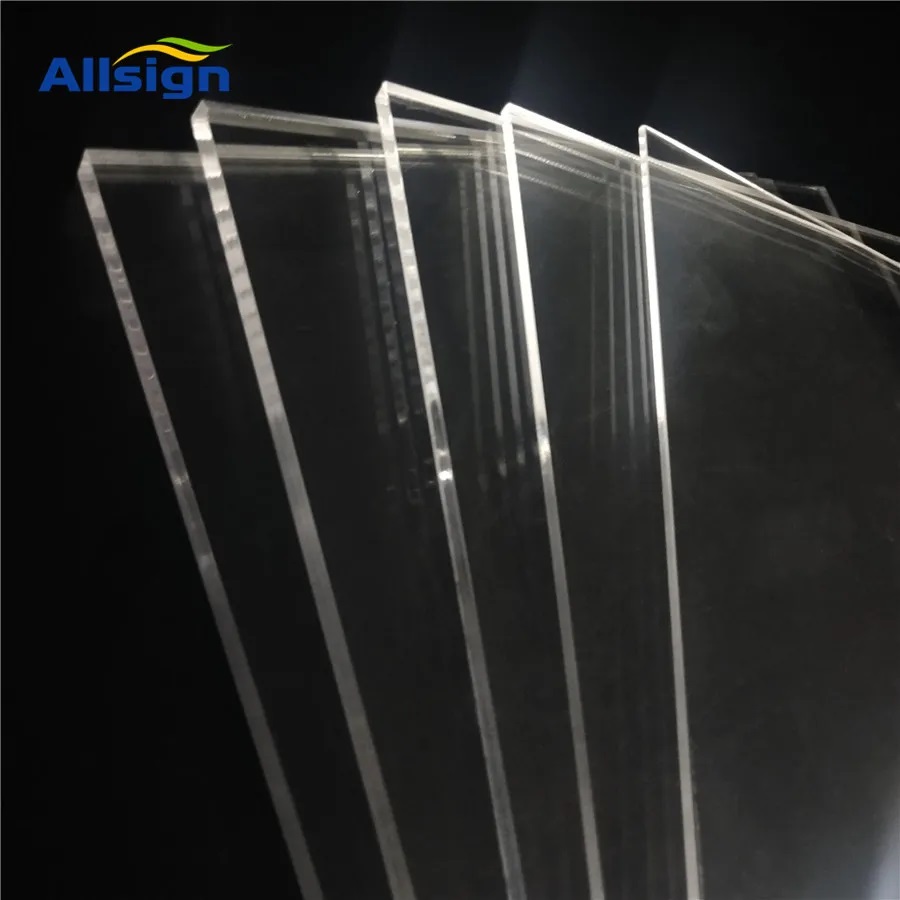
A high-quality clear acrylic sheet offers the pristine light transmission of traditional glass. However, it completely avoids the heavy weight and severe shattering risks. It delivers a modern, sleek appearance suitable for various demanding commercial environments. Designers frequently rely on it for structural safety and unparalleled aesthetic versatility.
This article provides a technical and commercial evaluation framework for utilizing acrylic in interior and exterior signage. We will cover core material variants, practical fabrication realities, and essential maintenance criteria. You will learn how to specify the exact materials required, avoid common installation failures, and maximize visual impact for your next major signage project.
Optical Clarity: Clear acrylic transmits up to 92% of visible light, making it highly effective for edge-lit and high-contrast commercial displays.
Material Durability: Offers 10 to 20 times the impact resistance of standard glass at half the weight, reducing structural load and mounting complexities.
Fabrication Versatility: Cell cast variants allow for precise laser cutting, routing, and push-through letter construction without melting or edge-chipping.
Modern businesses rely heavily on visual impact to shape brand perception. A transparent acrylic panel achieves a minimalist, "floating" aesthetic. Corporate offices and luxury retail environments heavily prefer this clean look. By eliminating bulky frames, the material allows logos and directional text to blend seamlessly into existing architectural designs.
Light transmission serves as the defining physical property of this material. Standard clear acrylic achieves a 92% light transmission rate, surpassing many conventional silica glass options. This extreme clarity changes how illumination interacts with the sign. Edge-lighting techniques capture light within the panel and project it brilliantly through laser-engraved elements. Backlighting systems also benefit from this transparency, ensuring vibrant, high-contrast visibility even in low-light conditions.
Structural load directly influences installation complexity and safety. Acrylic weighs approximately 50% less than glass of the exact same dimensions. This significant weight reduction lowers shipping costs and simplifies logistics on the job site. Installers can utilize smaller, less invasive stand-off mounting hardware. This approach preserves wall integrity and drastically speeds up the installation timeline.
Choosing between cast and extruded manufacturing methods dictates how the material will behave during fabrication. You must match the specific type of acrylic signage sheet to your intended application to avoid costly failures.
Manufacturers produce cell cast acrylic by pouring liquid resin between glass plates. This meticulous process yields a material with higher molecular weight and superior optical clarity. Its primary strength lies in its exceptional machinability. Cast panels offer excellent resistance to crazing (micro-fracturing) when exposed to intense machining friction or chemical solvents.
You should specify cell cast material for complex, high-end projects. It serves perfectly for push-through illuminated signs, intricate laser-cut lettering, and thick architectural displays. Laser cutting cast acrylic produces a beautifully frosted edge, which diffuses light perfectly for internal illumination.
Extruded acrylic passes through heavy steel rollers to achieve its final thickness. This method creates much tighter thickness tolerances and keeps material costs lower at scale. It also reacts excellently to heat, making it highly thermoformable for curved applications.
This variant best suits flat, non-machined directional signs, protective face covers, and budget-conscious interior rollouts. However, it carries distinct limitations. Extruded acrylic often gums up or melts during high-speed CNC routing due to its lower melting point. It also possesses lower resistance to certain chemical cleaners, making it more prone to surface degradation over time.
Comparison: Cast vs. Extruded Acrylic for Signage | ||
Feature | Cell Cast Acrylic | Extruded Acrylic |
|---|---|---|
Optical Clarity | Exceptional (Premium) | Excellent (Standard) |
Thickness Tolerance | Variable (+/- 10%) | Highly Consistent |
Laser Cutting Edge | Clean, frosted finish | Clear, prone to burring |
CNC Routing | Machines cleanly | Prone to melting/gumming |
Cost Profile | Higher initial material cost | Economical for bulk/flat use |
Environmental conditions heavily dictate how you must prepare and mount acrylic. Failing to account for temperature and ultraviolet exposure leads to rapid material failure.
Outdoor applications demand exceptional weatherability. Fortunately, high-grade virgin acrylic possesses natural UV resistance. Unlike standard polycarbonates or cheaper plastics, it will not turn yellow, degrade, or become brittle for over a decade in direct sunlight. This stability preserves brand colors and text legibility.
Thermal expansion remains the most critical engineering factor for outdoor installations. Acrylic inherently expands and contracts as ambient temperatures fluctuate. Installers must drill mounting holes significantly larger than the hardware fasteners. If you fasten the panel too tightly, the natural expansion will cause massive stress cracks originating from the drill points.
Indoor environments prioritize precision aesthetics and strict safety compliance. Common use cases include dimensional lobby branding, ADA-compliant tactile wayfinding, and point-of-purchase (POP) retail displays.
For interior spaces, safety regulations often dictate material selection. Acrylic offers shatter-resistant properties compared to standard silica glass. When broken, it fragments into large, dull pieces rather than dangerous microscopic shards. Furthermore, specific architectural grades meet strict interior fire ratings, ensuring they do not produce highly toxic smoke during combustion.
Sophisticated signage requires advanced fabrication techniques. Combining precise routing, polishing, and chemical bonding elevates a standard display acrylic board into a premium brand asset.
Push-through signage routes letters out of a solid metal face and pushes thick acrylic letters through the cavities from behind. Fabricators constantly debate using clear versus white acrylic for this technique. Clear material allows fabricators to apply translucent vinyl overlays on the face while leaving the edges exposed for sharp, distinct halo lighting. Conversely, white acrylic inherently diffuses light natively, creating a softer, more uniform glow across the entire letter.
Machining leaves a rough, opaque edge. To restore maximum light refraction and achieve a luxury finish, you must polish the edges. Fabricators typically use two methods:
Flame Polishing: Involves passing a high-heat hydrogen-oxygen flame quickly over the edge. It melts the surface slightly, yielding a glossy finish. It works well for complex curves.
Diamond Edge Polishing: Uses a specialized machine with a spinning diamond tooling bit. It provides a flawless, optically perfect edge for straight lines, highly favored in high-end retail displays.
Mechanical fasteners interrupt the clean lines of modern signage. Fabricators rely on specific solvent cements, such as Weld-On, to chemically weld pieces together. The solvent melts the contacting surfaces and fuses them into a single piece. Executing this correctly prevents unsightly bubbling and guarantees an optically clear, incredibly strong joint.
Preserving the visual integrity of an installation requires strict adherence to proper handling and maintenance protocols. Mismanagement during or after installation ruins the aesthetic value quickly.
Standard acrylic is physically softer than glass. It remains highly prone to surface scratching from abrasive contact. For high-traffic areas, tactile ADA signage, or environments where the public might touch the surface, you must specify hard-coated acrylic. This specialized abrasion-resistant coating significantly protects the surface from everyday wear and tear.
Using incorrect cleaning chemicals causes permanent structural damage known as crazing. Crazing manifests as a network of tiny, cloudy micro-fractures inside the plastic.
Acrylic Maintenance: Do's and Don'ts | ||
Action | Protocol | Reasoning |
|---|---|---|
DO | Use clean microfiber cloths. | Traps dirt without dragging abrasive particles across the soft surface. |
DO | Use mild soap and warm water. | Gently removes grime without reacting chemically with the plasticizer. |
DO | Use specialized plastic polishes (e.g., Novus). | Fills in microscopic scratches and restores original optical clarity. |
DON'T | Use ammonia-based glass cleaners (e.g., Windex). | Ammonia degrades the molecular structure, causing crazing and cloudiness. |
DON'T | Use paper towels or dry rags. | Wood fibers in paper towels act like sandpaper, severely scratching the finish. |
Installers must keep the protective film masking on the sheet throughout the fabrication and mounting process. Only remove this masking after completing the final installation. Premature removal invites accidental tool strikes and environmental debris to ruin the pristine finish before the client ever sees it.
Accurate material specification prevents structural bowing, mounting failures, and aesthetic inconsistencies. Procurement teams must rigorously verify technical parameters before ordering bulk materials.
You must match the sheet thickness directly to the overall sign dimensions to prevent catastrophic bowing. Gravity and temperature changes will warp a panel that is too thin for its surface area. As a general industry rule, specify 1/4-inch (6mm) or thicker material for large, unframed suspended signs. Framed signs can safely utilize thinner gauges because the channel provides rigid perimeter support.
Cast manufacturing inherently produces thickness variations. A standard cast sheet typically carries a thickness tolerance of +/- 10%. You must factor this variation into your CAD drawings when designing slotted base inserts or tight framing channels. If you engineer a slot exactly to the nominal thickness, the actual sheet may be too thick to fit or too loose to stand upright.
Never procure materials based solely on visual inspection. Always request comprehensive Technical Data Sheets (TDS) from your vendor. Scrutinize the documentation for confirmed light transmission percentages, specialized UV warranties, and standardized impact testing results. Verifying these metrics ensures the material actually meets the engineered requirements of your specific site.
Strategic Advantage: Clear acrylic delivers the optimal balance of high-end glass aesthetics, extreme fabrication flexibility, and robust physical durability for modern commercial signage.
Process Matching: Always align your manufacturing method with your fabrication needs. Select premium cell cast for routing, laser cutting, and illumination, while reserving extruded variants for flat, bulk applications.
Engineering Precautions: Account for the physical realities of the material. Oversize your mounting holes for thermal expansion and mandate strict ammonia-free cleaning protocols to prevent crazing.
Next Steps: Direct your procurement teams and sign fabricators to request physical material samples. Consult directly with engineers on thickness specifications to prevent bowing, and rigorously review the technical data sheets for your upcoming rollout.
A: High-quality, virgin clear acrylic is inherently UV stable. It actively resists yellowing, clouding, or becoming brittle for a decade or more in direct sunlight. This differs significantly from lower-grade plastics like standard polycarbonate or polystyrene, which degrade and discolor rapidly without heavy UV coatings.
A: Acrylic offers 10 to 20 times the impact resistance of glass while weighing 50% less. This extreme weight reduction simplifies mounting hardware and lowers shipping costs. Furthermore, acrylic achieves up to 92% light transmission, often appearing clearer than thick glass, which usually carries a slight green tint.
A: Yes, it cuts exceptionally well with a laser. However, you must specify cell cast acrylic for the best results. Cast material yields a perfectly clean, frosted edge ideal for edge-lighting. Extruded material tends to melt under the laser, leaving a raised, undesirable burr along the cut line.
A: You prevent bowing by selecting the correct thickness relative to the total surface area. For large, unframed suspended signs, use material at least 1/4-inch thick. Additionally, utilizing perimeter framing channels or distributing standoff mounts evenly across the panel provides the necessary structural rigidity.


