
Views: 0 Author: Site Editor Publish Time: 2026-02-09 Origin: Site


Acrylic sheets are versatile plastic materials made from polymethyl methacrylate (PMMA), known for their clarity, strength, and weather-resistant properties. They are commonly used in various applications, ranging from signage and display stands to aquariums and industrial windows. Acrylic sheets come in two primary forms: cast acrylic and regular acrylic (also known as extruded acrylic). Cast acrylic sheets are made by pouring liquid acrylic into molds and allowing it to harden, resulting in a smoother surface and higher optical clarity. In contrast, regular acrylic is produced using an extrusion process, where the acrylic is forced through molds to create sheets. While both types offer similar basic characteristics, cast acrylic is typically favored for its superior optical properties, durability, and ease of customization, making it ideal for high-end, intricate applications.
A cast acrylic sheet is a type of acrylic that is produced through a casting process, where liquid acrylic resin is poured into molds and allowed to cure or harden. This manufacturing method gives the material several advantages that set it apart from other types of acrylic sheets.
The process begins with liquid acrylic resin being poured into a mold. Once the resin is placed in the mold, it is left to cure under controlled conditions. This allows the material to solidify into sheets with precise thickness and consistency. The casting process also results in a smoother and more uniform surface, making it ideal for high-quality applications.
High Transparency: Cast acrylic is known for its exceptional optical clarity, offering high light transmission and virtually no distortion, which is ideal for applications where transparency is crucial.
Strong Weather Resistance: Cast acrylic is highly durable and resistant to the elements, including UV rays. This makes it well-suited for outdoor use, as it does not yellow or degrade when exposed to sunlight, unlike other plastic materials.
Excellent Optical Properties: Cast acrylic exhibits superior clarity, making it a popular choice for applications that require clear and sharp visuals, such as signage, display cases, and aquariums.
A regular acrylic sheet, also referred to as extruded acrylic, is a popular type of acrylic material that is produced through a common extrusion process. This method involves melting acrylic resin and forcing it through a mold or die, which shapes the material into continuous sheets. The sheets are then cooled and cut to the desired size. Extrusion is a more efficient and cost-effective manufacturing method compared to casting, allowing for large-scale production of acrylic sheets in various thicknesses, colors, and textures.
In the extrusion process, the acrylic resin is melted and pushed through a mold to form long, flat sheets. These sheets are then cooled and cut into specific sizes. The extrusion process allows for a fast production rate, making it suitable for mass manufacturing. Additionally, this method offers flexibility in customizing the thickness, color, and texture of the acrylic sheets to meet specific needs. However, the process generally results in sheets that have a slightly less uniform surface compared to cast acrylic.
Lighter: One of the primary advantages of extruded acrylic is its lighter weight compared to cast acrylic. This makes it easier to handle, transport, and install, which is especially beneficial in large-scale applications such as signs or displays. The lighter nature also reduces transportation costs and makes installation simpler, particularly for temporary or movable setups.
Customizable: Regular acrylic sheets offer a high degree of customization. They can be easily manufactured in a variety of colors, textures, and thicknesses, allowing for flexible use in a wide range of applications. Whether for retail signage, protective barriers, or decorative panels, extruded acrylic can be tailored to suit specific project requirements. Its versatility also extends to the ability to be cut, drilled, and bent, providing additional design options for users.
Slightly Lower Transparency: While still offering good clarity, regular acrylic has a slightly lower optical transparency compared to cast acrylic. The extrusion process can introduce minor internal stresses that can reduce the material's overall optical clarity. This makes extruded acrylic a great option for projects where absolute transparency is not a primary concern, such as in displays, decorative applications, or situations where the acrylic is not viewed at an optimal angle.
Both cast acrylic and regular acrylic (extruded acrylic) are widely used materials in various industries, but they offer different characteristics that make each type more suitable for certain applications. Here’s a breakdown of their key differences:
Cast Acrylic: One of the most notable advantages of cast acrylic is its superior optical clarity. Due to the casting process, it achieves a higher level of transparency, making it the preferred choice for applications where crystal-clear visibility is critical, such as display cases, signage, and aquarium windows.
Regular Acrylic: While regular acrylic still provides good clarity, its optical transparency is slightly lower compared to cast acrylic. This is because the extrusion process can cause internal stresses, which slightly reduce the material's clarity. However, it is still suitable for many applications where perfect clarity is not a primary concern.
Cast Acrylic: Cast acrylic is easier to machine, making it ideal for intricate cutting, engraving, and polishing. Its smooth surface allows for clean cuts and precise designs, which is why it is commonly used in applications that require detailed work, like custom signage, trophies, or artwork engraving.
Regular Acrylic: While regular acrylic can be cut and machined, it tends to have more difficulty with intricate processing due to its internal stresses. It may chip or crack more easily when working with detailed cuts or engraving. It is better suited for basic shapes and larger, less detailed applications.
Cast Acrylic: Cast acrylic excels in weather resistance, especially when used outdoors. It offers superior UV resistance, meaning it can withstand exposure to sunlight for long periods without yellowing or degrading. This makes it an excellent choice for outdoor signage, windows, or applications where the material will be exposed to harsh environmental conditions.
Regular Acrylic: Regular acrylic has decent weather resistance, but it is generally more prone to yellowing and degradation under prolonged UV exposure compared to cast acrylic. It is better suited for indoor applications or those with limited exposure to the elements.
Cast Acrylic: Cast acrylic is typically more expensive due to its more complex manufacturing process. The time and precision involved in the casting method, along with its superior qualities, make it suitable for high-end applications that require premium materials, such as high-quality signage, luxury display cases, or decorative panels.
Regular Acrylic: Regular acrylic is more cost-effective due to the simpler extrusion process. It is ideal for mass production and budget-friendly applications where optical clarity and weather resistance are not as critical, such as general signage, furniture, or basic display panels.
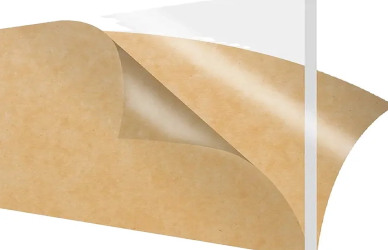
Cast acrylic sheets are known for their superior clarity, durability, and aesthetic appeal, making them ideal for a range of high-end applications:
Cast acrylic is widely used for premium signage and display stands due to its excellent transparency and ability to be molded and engraved. It ensures clear, vibrant signs that withstand yellowing over time, making it perfect for both indoor and outdoor displays.
Thanks to its machinability, cast acrylic is a popular choice for engraving artwork, trophies, and awards. Its high clarity allows for intricate designs, resulting in crisp, sharp engravings and custom pieces often used in corporate and competitive settings.
Cast acrylic’s clarity and weather resistance make it ideal for industrial viewing windows and aquariums. It provides clear, durable protection for machinery and tanks, and its strength and clarity make it a popular alternative to glass for both commercial and private aquariums.
Cast acrylic sheets offer higher optical clarity, are easier to process, and have better outdoor performance with superior UV resistance.
Yes, cast acrylic is easier to laser cut, engrave, and thermoform, making it ideal for intricate designs and custom shapes.
Cast acrylic requires a more complex and time-consuming manufacturing process, making it more expensive.
Cast acrylic sheets are best suited for high-end signage, artistic engraving, display stands, industrial viewing windows, and aquariums due to their excellent clarity and durability.
When deciding between cast acrylic sheets and regular acrylic sheets, the choice ultimately depends on the specific requirements of your project. If you need high optical clarity, intricate machining, and outdoor durability, cast acrylic is the ideal choice, as it offers superior transparency, easier processing for custom designs, and better resistance to UV rays. It’s best suited for premium applications like high-end signage, artwork engraving, and aquariums. On the other hand, if your project demands cost-effectiveness, lighter weight, and bulk production, regular acrylic may be the more appropriate option. While it has slightly lower optical clarity, it is still highly durable and customizable, making it a great choice for larger, less detailed applications like general signage, protective covers, and display panels. Understanding the key differences between these two types of acrylic will help you make an informed decision based on your budget, design complexity, and performance needs.


