
Views: 0 Author: Site Editor Publish Time: 2026-10-01 Origin: Site


Are you tired of constantly replacing rotten outdoor wood? Traditional timber splinters, warps, and decays rapidly when exposed to harsh weather conditions. As homeowners and landscape contractors seek superior alternatives, the WPC board has emerged as a definitive solution to costly maintenance problems. This engineered material fundamentally transforms exterior design by blending the organic beauty of wood with the unyielding resilience of modern polymers.
Unmatched Durability: Engineered to withstand harsh environmental factors, composite materials offer superior resistance to extreme weather, rot, and insects compared to raw timber.
Moisture Management: Acting as a highly effective barrier against water ingress, these panels perform exceptionally well in humid climates and coastal regions without swelling.
Aesthetic Versatility: Modern manufacturing techniques allow these profiles to mimic the natural grain and texture of premium hardwoods, elevating outdoor architectural designs.
Cost-Effective ROI: While the initial procurement cost may be slightly higher than untreated wood, the near-zero maintenance requirements make it a financially sound long-term investment.
Sustainable Choice: Manufactured utilizing recycled wood fibers and thermoplastic polymers, this material reduces reliance on deforestation and minimizes landfill waste.
To truly grasp the growing preference for modern landscaping materials, one must look at their core composition. Wood-Plastic Composite stands as a highly engineered material. Manufacturers create it by fusing recycled organic fibers with premium thermoplastics under extreme heat and pressure. This precise blend undergoes high-temperature extrusion. The result is a dense, uniform, and structurally stable building profile that eliminates the natural flaws of raw lumber.
Historically, exterior design relied heavily on naturally harvested timber. However, natural wood demands relentless upkeep. You must apply toxic chemical treatments, stains, and sealants repeatedly just to delay inevitable degradation. The evolution of the outdoor WPC board has revolutionized how architects approach landscape architecture. By transitioning from basic structural decking to versatile aesthetic solutions, these composites now meet the rigorous demands of contemporary building standards.
Looking at recent industry trends, a massive shift in material selection is underway. As extreme weather events become more frequent globally, property developers actively prioritize climate-resilient landscaping materials over traditional options. Market data indicates a robust double-digit growth rate in the composite decking and cladding sector. This surge is largely driven by a demand for sustainable, low-maintenance alternatives that do not compromise on premium visual appeal. The architectural movement is clear: the future belongs to materials that balance ecological responsibility with decades of structural reliability.
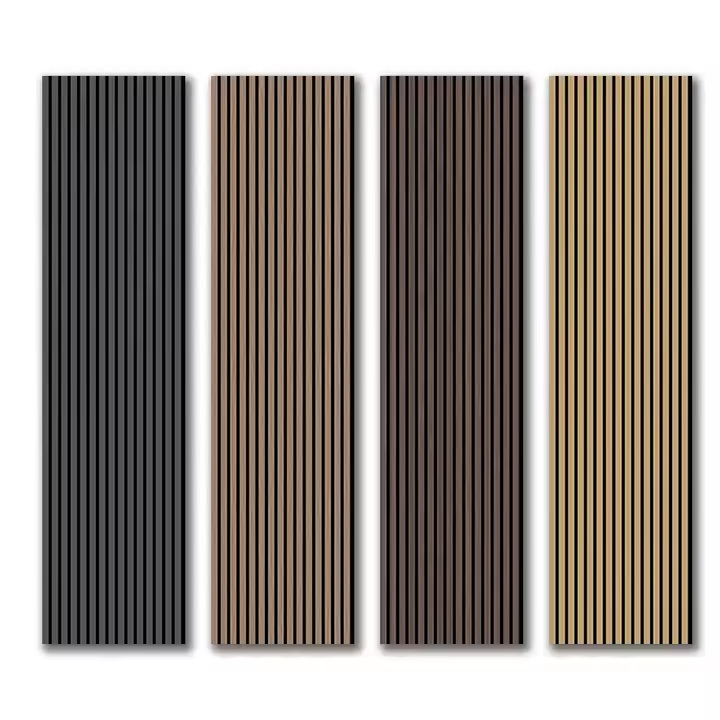
One of the most glaring vulnerabilities of natural wood is its tendency to absorb water. Water ingress inevitably leads to warping, swelling, and structural failure. During the extrusion process of a composite panel, the thermoplastic matrix thoroughly encapsulates the organic wood fibers. This creates a highly effective moisture resistant board that actively prevents water penetration. In fact, high-grade composites typically boast a water absorption rate of less than 1%. Whether subjected to heavy seasonal rainfall, prolonged snow exposure, or the constant high humidity of tropical coastal regions, the material maintains strict dimensional stability.
Beyond weather challenges, organic wood serves as a natural food source for termites, carpenter ants, and wood-boring beetles. Furthermore, damp timber quickly becomes a breeding ground for destructive fungi. The synthetic polymer matrix within composite panels completely eliminates these biological risks. Because the wood fibers are sealed and suspended within plastic, the material offers zero nutritional value to pests. It inherently resists fungal growth, ensuring decades of uncompromised structural integrity without the need for toxic pesticide treatments.
Structural reliability is non-negotiable in outdoor construction. High-quality composite panels are engineered with exceptional load-bearing capacities. They easily support heavy patio furniture, outdoor kitchens, or hot tubs without snapping or sagging. Additionally, the manufacturing process integrates slip-resistant surface textures. Unlike aging timber that develops dangerous splinters and raised grains, composite surfaces remain smooth and safe for barefoot traffic. This makes them ideal for family homes and high-traffic commercial venues.
Early generations of synthetic materials were frequently criticized for looking artificial. Today, advanced manufacturing technologies have radically elevated their visual appeal. Techniques like 3D embossing and dual-tone color mixing create deep, randomized grain textures. A modern composite closely mimics the organic warmth of premium hardwoods like teak, oak, and walnut. You achieve luxury aesthetics without the physical drawbacks of real lumber.
Natural wood is restricted by its inherent species color. It requires regular chemical staining to alter or maintain its appearance. In contrast, composite panels are manufactured with UV-inhibiting pigments mixed directly into the core material. This delivers an extensive palette of consistent, fade-resistant shades. Options range from rich mahogany and warm cedar to contemporary minimalist ash grey. Consequently, accidental scratches remain less visible, and the surface never requires painting.
Contemporary architecture heavily emphasizes clean lines and cohesive textures. Utilizing a decorative outdoor panel made of composite material perfectly serves this design philosophy. Many modern systems utilize hidden fastening clips that secure the boards to the substructure. This completely eliminates visible screws or nails on the surface. Standardized dimensions and uniform edges allow for precise, geometric installations that elevate the overall sophistication of any exterior facade.
When evaluating materials for exterior architecture, the specific application dictates the required properties. Wood-plastic composites provide a unique combination of structural rigidity and aesthetic flexibility. They adapt effortlessly to various demanding environments.
The most prominent application for composite materials is outdoor decking. Patios, balconies, and backyard living spaces require flooring that can endure constant UV exposure and fluctuating temperatures. Specifically for poolside areas, the moisture-resistant and anti-slip properties of composite decking make it the safest choice. It resists chemical degradation from pool chlorine and saltwater while remaining structurally sound.
Moving beyond horizontal flooring, composite materials are increasingly utilized for vertical architectural applications. Exterior wall cladding dramatically enhances a building's curb appeal while providing an additional layer of protection against the elements. These cladding systems offer excellent exterior insulation. They protect underlying structural walls from wind-driven rain and provide a striking, modern facade that requires virtually no maintenance.
Traditional wooden fences are notorious for sagging, rotting at the soil line, and requiring annual repainting. Utilizing composite boards for privacy fencing eliminates these headaches. The high density of the material provides excellent wind resistance and structural rigidity. Your property perimeter looks pristine year after year without peeling paint or fading stains.
Landscape architects frequently incorporate synthetic wood alternatives to create structured garden environments. A contractor can easily trim these panels using a standard miter saw equipped with a carbide-tipped blade. You can cleanly route edges for custom pergolas, durable planter boxes, or integrated garden seating. Resistance to soil moisture ensures these features remain robust even in direct contact with damp earth.
Making an informed purchasing decision requires a clear understanding of how composite materials compare to alternatives on the market. While initial pricing is a factor, the long-term Return on Investment is the most critical metric for project managers and global buyers.
Raw timber may present a lower upfront cost. However, this initial saving is rapidly negated by mandatory maintenance. Wood requires chemical treatments, waterproof sealants, and eventual replacement due to organic decay. In stark contrast, composite materials require a slightly higher initial investment but present a flatline maintenance cost over their 20 to 30-year lifespan. This makes WPC empirically more cost-effective in the long run.
Feature | WPC Board | Traditional Timber | PVC Foam Board |
|---|---|---|---|
Initial Cost | Moderate to High | Low to Moderate | Moderate |
Maintenance Cost | Near Zero | High | Low |
Moisture Resistance | Excellent | Poor | Excellent |
Structural Strength | High | Moderate to High | Low |
Density Range | 1.2 - 1.3 g/cm³ | 0.4 - 0.7 g/cm³ | 0.4 - 0.8 g/cm³ |
It is vital to distinguish between wood-plastic composites and pure PVC foam materials. An architect might specify PVC foam panels for lightweight signage, exhibition displays, or interior cabinetry. However, PVC foam lacks the structural rigidity necessary for heavy-duty outdoor construction. WPC incorporates dense wood fibers, significantly increasing its tensile strength and load-bearing capabilities. If your project involves foot traffic, high wind loads, or requires an authentic timber texture, WPC is empirically the superior choice.
Not all composite materials are manufactured to the same specifications. Understanding technical variations is essential for ensuring project success and mitigating liability.
The internal structure of the board dramatically impacts its weight, cost, and application suitability. Solid boards are manufactured without internal voids. They offer maximum impact resistance and superior load-bearing capacity. These are the objective standard for commercial decking, public boardwalks, and heavy-traffic residential areas. Conversely, hollow boards feature engineered internal channels that reduce overall weight and material costs. While not recommended for heavy load-bearing decks, they are exceptionally well-suited for vertical applications like wall cladding and privacy fencing.
The extrusion process dictates the surface resilience of the panel. Uncapped boards represent the first generation of composites. While highly durable, their exposed surface can be susceptible to minor staining from oils or tannins over time. Modern premium boards, however, are capped. They feature a 360-degree protective polymer shield co-extruded simultaneously with the core. This impermeable barrier provides superior defense against UV radiation, severe weather, and accidental spills.
For B2B buyers and contractors, procurement involves more than just selecting an attractive color. When sourcing materials in bulk, verify the manufacturer's quality control standards. Request empirical testing data regarding the material's coefficient of thermal expansion and water absorption rate. Ensuring the supplier holds international certifications guarantees that large-scale architectural projects remain on schedule and structurally sound.
One of the primary value propositions of composite materials is the significant reduction of labor. This applies both during the initial installation phase and throughout the product's entire lifecycle.
Despite their advanced engineering, these boards are incredibly user-friendly. Installers do not require specialized masonry or metalworking equipment. The material can be cut, routed, and drilled using standard woodworking tools. Most modern decking and cladding systems utilize a hidden fastener approach. Stainless steel or high-density plastic clips are screwed directly into the joists, slotting seamlessly into the grooved edges of the boards. This speeds up installation time and ensures a perfectly smooth surface free of visible screw heads.
The term maintenance-free is often used in marketing, but low-maintenance is the accurate empirical description. To keep your installation looking pristine, no sanding, chemical stripping, or waterproofing is ever needed. Routine care simply involves sweeping away organic debris like wet leaves, which can harbor surface mold. Biannually washing the surface with a solution of mild dish soap and warm water is entirely sufficient. This minimal routine completely eliminates the ongoing burden of traditional wood care.
Choosing a composite panel fundamentally improves the longevity and visual appeal of your outdoor spaces. This advanced material bridges the gap between the organic beauty of nature and the resilience of modern engineering. It offers lasting weather resistance without the burden of complex maintenance. By eliminating the need for toxic sealants and utilizing recycled materials, it stands as a smart, eco-friendly choice for any property. Ready to upgrade your exterior spaces with premium, weather-proof materials? Explore our full range of high-performance solutions and find the perfect match for your next architectural project at Allsign today to build a pristine, enduring outdoor landscape.
Depending on the specific grade, environmental exposure, and strict adherence to proper installation guidelines, high-quality composite boards are engineered to last between 20 to 30 years. Unlike traditional timber, they maintain their structural integrity without rotting or degrading over this extended period.
Premium boards, particularly co-extruded capped variants, contain advanced UV inhibitors within their polymer matrix. While a very slight uniform lightening may occur during the first few months of sun exposure as the material stabilizes in its environment, they will not suffer the severe fading, graying, or patchiness associated with natural wood.
Yes. The manufacturing process completely encapsulates the wood fibers within thermoplastic resins. This structural composition prevents the material from absorbing water, making it highly impervious to swelling, warping, fungal decay, and rot, even in consistently damp or highly humid coastal environments.
Like any dense material exposed to direct sunlight, composite boards will absorb heat. Darker colors tend to retain more heat than lighter shades. However, modern manufacturing techniques have improved heat dissipation. For areas with intense, constant sun exposure, selecting lighter shades like ash grey or light cedar will keep the surface comfortably cooler underfoot.
Absolutely. Because the organic fibers are fully encapsulated in a polymer matrix, WPC is highly resistant to corrosive environments. Saltwater and pool chemicals like chlorine will not degrade or rot the boards, making them an empirically superior and safer choice for pool surrounds compared to raw timber.
These composites are widely considered a highly sustainable building material. The majority of boards are manufactured using reclaimed wood waste, such as sawdust, and recycled thermoplastics diverted from consumer goods. This process significantly reduces landfill waste and lowers the global demand for deforestation.
While it is technically possible to apply specific composite-friendly paints, it is highly discouraged and completely unnecessary. The primary architectural advantage of this material is its factory-finished, maintenance-free surface. Painting the board introduces the need for future scraping and repainting, negating its core value proposition and potentially voiding the manufacturer's warranty.


