
Views: 0 Author: Site Editor Publish Time: 2026-07-20 Origin: Site


Commercial furniture manufacturing is experiencing a massive shift today. Builders are rapidly moving away from traditional wood composites like MDF and plywood. They now embrace advanced polymer structures. Balancing moisture resistance and extreme durability alongside workability presents a major challenge. You need materials that look beautiful but will not swell, crack, or degrade over time. We face increasing demands for resilient products in high-humidity and heavy-use environments. A PVC Celuka board provides the exact structural alternative to solve these material degradation issues. It forms a solid, unyielding barrier against the elements. In this article, you will learn how these high-density boards outperform traditional wood. We will explore their core applications, machining realities, and finishing protocols. You will also discover the vital procurement criteria needed to select the right materials for your production lines.
Structural Integrity: The Celuka extrusion process creates a high-density, solid outer skin with a foamed core, offering superior screw retention and impact resistance compared to standard free-foam PVC.
Moisture & Pest Immunity: 100% waterproof and termite-proof, making it the definitive choice for bathroom vanities, kitchen cabinets, and outdoor furniture.
Fabrication Versatility: Cuts, routs, and drills using standard woodworking machinery without requiring specialized re-tooling.
Finishing Compatibility: Supports direct painting, UV printing, and laminating (acrylic, HPL, wood veneer) when paired with appropriate adhesives and surface prep.
Wood composites have dominated furniture assembly for decades. They carry inherent weaknesses. Moisture exposure quickly destroys traditional MDF. Plywood delaminates under harsh conditions. A shift to advanced polymers fixes these structural liabilities directly. You eliminate material swelling. You also gain distinct physical advantages.
Furniture weight impacts logistics immensely. Shipping heavy MDF cabinets consumes fuel and budget. You can optimize these variables easily. The unique extrusion process creates a highly functional foamed core. This core contains microscopic air pockets. They drastically reduce the overall panel weight. You spend less on freight transport. Workers experience less fatigue during factory assembly.
However, a lightweight core does not mean weak structures. The extrusion process forms a rigid, dense outer skin. This hardened crust maintains excellent load-bearing capabilities. It handles compressive stress effortlessly. It prevents shelves from snapping under moderate weight. You get the strength of solid wood without the logistical burden.
Indoor air quality regulations are becoming stricter globally. Traditional composite boards rely on urea-formaldehyde resins. These resins off-gas toxic volatile organic compounds (VOCs). Consumers actively avoid toxic furniture in their homes. You must pivot to safer alternatives.
Premium polymer boards contain absolutely zero formaldehyde emissions. They help manufacturers meet stringent indoor air quality certifications. You should verify your materials meet critical European standards. Look for REACH compliance. This ensures the product is free from hazardous chemicals. Verify RoHS compliance as well. This guarantees the absence of heavy metals like lead or cadmium. Using compliant materials elevates your brand reputation.
Material Feature | Standard MDF | Plywood | Celuka Polymer Board |
|---|---|---|---|
Moisture Resistance | Very Poor | Moderate | Excellent (100% Waterproof) |
Weight Profile | Extremely Heavy | Heavy | Lightweight |
Formaldehyde Emissions | High (unless specialized) | Moderate | Zero Emissions |
Termite Immunity | Vulnerable | Vulnerable | 100% Immune |
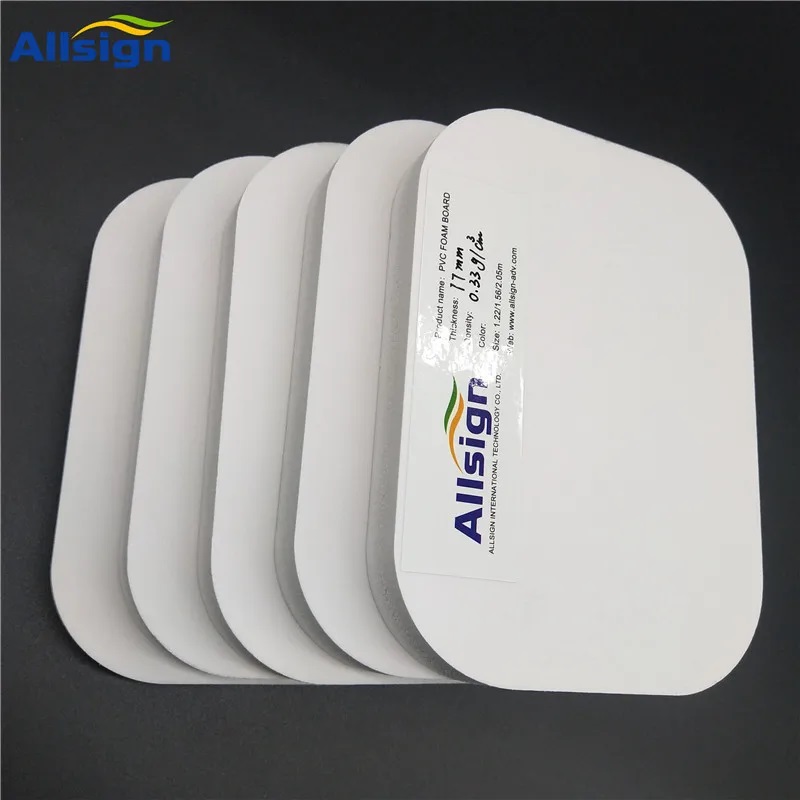
Designers rely on versatile materials for challenging environments. A cabinet PVC board unlocks new design possibilities. It performs flawlessly where traditional timber fails. We see massive adoption across interior and exterior sectors.
Moisture destroys traditional interior cabinetry fast. Water ingress causes irreversible damage. Upgrading your core materials prevents these failures.
Bathrooms generate intense steam and standing water daily. MDF vanities absorb this moisture rapidly. The wood fibers swell. The edges delaminate. Mold spores colonize the damp core. Polymer boards eradicate these risks entirely. They boast a totally waterproof cellular structure. They never swell when exposed to steam. They never host harmful mold. Your bathroom vanity will outlast the plumbing fixtures themselves.
Kitchens endure constant spills and intensive chemical cleaning. Sink bases often rot from hidden plumbing leaks. Kickboards absorb mop water daily. Using polymer boards for these vulnerable zones is brilliant. They resist harsh chemical cleaning agents safely. They block oil stains. They tolerate physical kicks and scrapes beautifully.
Outdoor and commercial spaces demand aggressive durability. Wood simply rots away outdoors. It fails under rigorous commercial sanitation.
Outdoor kitchens are exploding in popularity. Cabinets must endure rain, snow, and summer heat. Polymer boards withstand seasonal temperature fluctuations. They never warp from humidity changes. They do not rot. They do require proper UV-resistant coatings. Raw polymers can yellow under direct sunlight. A simple polyurethane topcoat prevents this degradation. Your outdoor cabinets stay pristine year-round.
Hospitals and labs maintain brutal sanitation protocols. They use aggressive sterilizers constantly. Traditional wood absorbs bacteria. Polymer boards offer a completely non-porous surface. They actively resist bacterial growth. Nurses can wipe them down with bleach without fading the color. They handle harsh sterilization protocols perfectly.
Factory managers often worry about re-tooling. They assume plastics require specialized machinery. This is a myth. You can integrate a furniture PVC board into your existing workflow seamlessly. You just need minor technique adjustments.
Machining polymers differs slightly from cutting timber. You must manage heat generation carefully during the cutting process.
Standard carbide-tipped woodworking tools work beautifully. You do not need expensive diamond blades. However, friction heat is your biggest enemy. Router bits spinning too fast will melt the plastic. The melted chips stick to the bit. They ruin the cut quality. You must optimize your CNC parameters.
Follow these machining best practices to prevent melting:
Increase your feed rate to move the tool quickly through the material.
Lower your spindle speed significantly to reduce friction heat.
Use single-flute or double-flute up-cut spiral bits for optimal chip extraction.
Keep the work area clear of compacted plastic shavings using robust vacuum extraction.
MDF chips horribly when cross-cut. Plywood splinters along the delicate veneer. The dense hardened skin prevents this chipping entirely. You achieve incredibly crisp, clean cuts every time. The resulting edges are smooth and ready for finishing. Sometimes, you can even bypass traditional edge banding. A simple router round-over bit creates a finished profile instantly.
Joining polymer panels requires updated techniques. Standard wood screws and yellow glue will fail. You must adapt your fastening protocols.
Many carpenters doubt polymer screw retention. Standard fine-thread wood screws do pull out easily. The foamed core cannot grip the fine threads. You must use coarse-thread screws instead. Deep, wide threads bite into the cellular structure aggressively. The hardened outer skin provides a unique structural advantage. It clamps down on the screw head securely. Always pre-drill your pilot holes. This prevents the rigid skin from cracking near the edges.
Standard PVA wood glue requires a porous surface to cure. Polymer boards are completely non-porous. Wood glue simply dries on the surface and peels off. You must transition to structural adhesives. Choose from these optimal bonding agents for permanent joints:
Cyanoacrylates (CA Glue): Excellent for rapid, temporary holding during complex assembly.
Polyurethanes (PUR): Expands slightly to fill gaps. Creates a highly waterproof, permanent bond.
Solvent-Based PVC Cements: Melts the plastic chemically. Fuses two pieces together permanently. This creates the strongest possible structural joint.
Raw white boards look overly clinical. Consumers demand rich colors and warm woodgrain textures. You must apply premium surface finishes. The material adapts to various high-end finishing techniques easily.
Painting polymers requires specific chemical compatibility. The slick outer skin resists cheap paints.
You must specify acrylic-based or two-part polyurethane paints. These formulas cross-link chemically with the plastic substrate. They form an unbreakable bond. Never use standard oil-based paints. They lack chemical adhesion. They will peel off in large sheets within weeks. Polyurethane paints offer a tough, scratch-resistant finish. They are ideal for high-traffic cabinet doors and drawer fronts.
Paint will not stick to a dirty surface. Static electricity attracts dust to the plastic constantly. You must remove this static dust before spraying. Wipe down the boards with a specialized anti-static cleaner. Remove any residual manufacturing oils using denatured alcohol. For high-gloss mirror finishes, apply a chemical adhesion promoter first. This primer etches the surface microscopically. It guarantees maximum paint adhesion.
Lamination transforms basic boards into luxury furniture. It requires precise temperature control and the right materials.
You can apply various decorative skins successfully. High-Pressure Laminates (HPL) provide extreme scratch resistance for countertops. Acrylic films offer stunning high-gloss modern finishes. Melamine papers provide cost-effective solid colors. Real wood veneer adds organic warmth to the plastic core. All these options work well if glued correctly.
Thermal stress causes massive failures in lamination. Standard EVA hot melt adhesives soften when exposed to heat. A sunny window will cause an EVA-glued veneer to bubble and delaminate rapidly. You must upgrade your adhesive systems. We strongly recommend PUR (Polyurethane Reactive) hot melt adhesives. PUR glue chemically cures with ambient moisture in the air. Once cured, it never re-melts. It prevents delamination under extreme thermal stress. It creates a flawless, permanent flat lamination.
Not all polymer boards are created equal. You must establish strict procurement criteria. Buying cheap materials leads to catastrophic product failures. Securing a reliable durable PVC sheet protects your brand reputation.
Density dictates both material cost and structural rigidity. You must match the physical density to the specific furniture application.
Most commercial boards range from 0.5 to 0.8 g/cm³ in density. Higher density boards (0.7-0.8 g/cm³) are incredibly rigid. They are absolutely required for horizontal load-bearing shelves. They resist sagging under heavy books or dishes. Lower density boards (0.5 g/cm³) are much lighter and cheaper. They suffice perfectly for vertical back panels or decorative trim. Do not over-specify density where it is not needed.
Suppliers typically offer standard 4x8FT dimensions. Thickness ranges broadly from 5mm up to 30mm. You must monitor thickness tolerances closely. Cheap boards often vary by 1mm or 2mm across the sheet. This inconsistency destroys CNC nesting accuracy. Your dado joints will fit loosely. Demand tight thickness tolerances from your supplier.
You cannot manage what you do not measure. Implement strict factory acceptance testing before moving into full production.
The outer crust must resist daily abuse. Use Shore D hardness metrics to evaluate the skin. A higher Shore D number indicates a thicker, tougher crust. It ensures the board will resist daily denting from vacuum cleaners or dropped items. Reject boards that feel soft or spongy to the touch.
International bulk orders run massive risks of inconsistency. You might receive three different shades of standard white. This ruins batch production runs. Demand strict color uniformity across all pallets. Dimensional stability is equally vital. The boards must not warp while sitting in the shipping container. Require robust quality control reports before authorizing shipment.
Transitioning to these advanced polymer boards marks a highly strategic move. It eliminates massive moisture liabilities in your specialized furniture lines. You gain immediate advantages in durability, fabrication, and sanitation without sacrificing aesthetic appeal. To successfully implement this material shift, take the following steps:
Instruct your procurement teams to request sample cut-offs immediately.
Run these trial materials aggressively through your own CNC machines to dial in feed rates.
Test your current paint and PUR adhesive setups directly on the raw samples.
Contact your technical sales representative today to secure detailed specification sheets and load-bearing charts for your engineering team.
A: Like all thermoplastics, PVC has a lower modulus of elasticity than solid hardwood. For wide spans (over 600mm), structural reinforcement (like aluminum channels) or increasing the board thickness to 18mm+ is recommended to prevent creep under continuous heavy loads.
A: Yes. High-quality PVC boards are free from formaldehyde, lead, and volatile organic compounds (VOCs), making them compliant with strict indoor air quality certifications.
A: Yes, standard PVC or ABS edge banding works perfectly. However, PUR adhesives must be used in the edgebander instead of standard EVA hot melt to ensure a permanent, waterproof bond.
A: Free-foam PVC has a consistent, softer cellular structure throughout, making it prone to denting and poor screw retention. Celuka PVC cools the surface rapidly during extrusion, creating a hard, solid impact-resistant skin essential for furniture manufacturing.


