
Views: 0 Author: Site Editor Publish Time: 2026-10-11 Origin: Site


Upgrading your interior walls should not require messy demolitions. It should not demand extended construction timelines or budget-breaking materials. Enter the modern architectural solution: the decorative PVC board. The market is currently flooded with an overwhelming array of finishes, thicknesses, and technical specifications. Choosing the exact panel for your specific project can feel like navigating a minefield. Uninformed choices frequently lead to material warping, surface fading, or improper installation. These failures ultimately compromise the integrity of your interior space.
This comprehensive buyer’s guide walks you through exactly how to evaluate and select the perfect synthetic paneling for your residential or commercial project. You will understand what specifications to prioritize. You will learn how to match panels to the unique environmental conditions of your room and confidently source high-quality materials from reliable manufacturers.
Assess the Environment: Always prioritize a UV-protected panel for rooms with heavy sunlight exposure. Select high-density, waterproof boards for wet zones like bathrooms and commercial kitchens.
Thickness Matters: Specify panel thickness based on the structural condition of the wall and the required impact resistance. Standard options typically range from 3mm to 9mm.
Design Versatility: Polymer-based boards provide the authentic aesthetic appeal of natural materials—such as stone, timber, and 3D geometric textures—while maintaining a significantly lower lifecycle cost.
Supplier Vetting: Base your final purchasing decision on empirical evidence. Request physical samples for stress testing, verify fire-retardant certifications, and review warranty terms.
The construction sector is experiencing a massive shift in architectural preferences. Rising labor costs and tighter project deadlines force contractors to abandon labor-intensive masonry. Market analysis reveals a surging demand for polymer-based composites. These modern materials deliver the exact visual fidelity of natural stone or timber but cut installation time by up to 70 percent. Commercial developers now prioritize lifecycle value over initial raw material costs. Consequently, high-density synthetic boards are rapidly replacing traditional drywall and fiberboard in high-traffic commercial and premium residential projects. This transition reflects a broader industry commitment to moisture-proof, low-maintenance, and highly efficient building solutions.
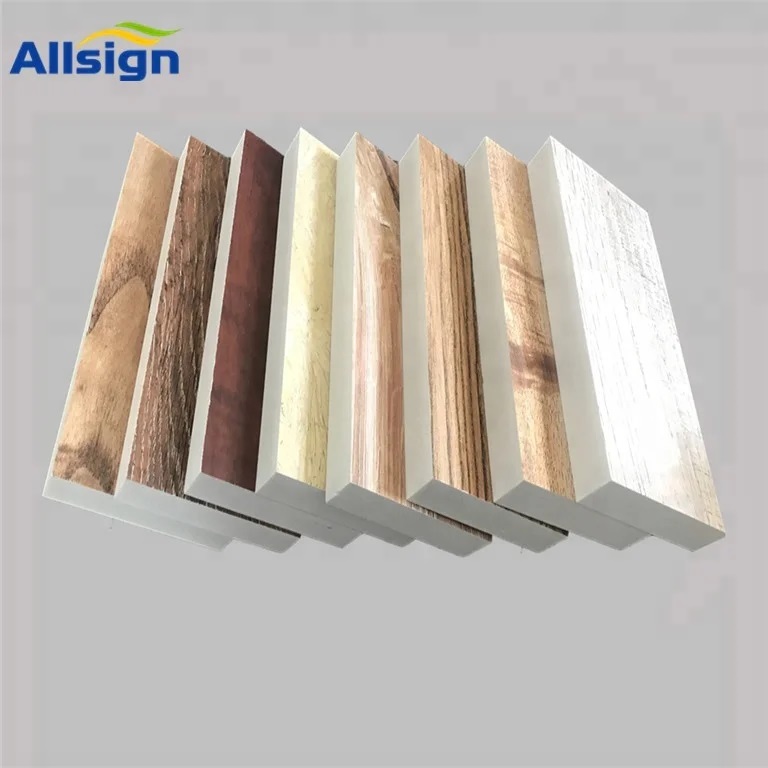
When evaluating architectural finishes, material selection heavily impacts the immediate project timeline. It also dictates the long-term maintenance budget. Let us look at the engineering reality behind these modern composites.
Traditional materials like Medium-Density Fiberboard act like sponges. High humidity causes them to swell, warp, and harbor hazardous mold. Polyvinyl chloride features a closed-cell molecular structure. This chemical makeup inherently prevents water absorption. Laboratory testing consistently demonstrates that high-density PVC retains strict dimensional stability even after prolonged exposure to damp conditions. This makes it the optimal specification for basements, washrooms, and indoor pool enclosures.
Calculating true financial benefits requires looking at the total lifecycle cost. You must factor in raw material procurement, labor hours, and ongoing maintenance. Imagine the logistical nightmare of hauling heavy marble slabs up three flights of stairs. Synthetic panels eliminate this costly hurdle entirely.
Material Type | Initial Material Cost | Installation Complexity | Maintenance Requirements |
|---|---|---|---|
Natural Marble | Very High | High — Requires specialized masonry | High — Requires periodic sealing |
Hardwood Panels | High | Medium to High — Carpentry and finishing | Medium — Staining and polishing needed |
PVC Wall Panels | Low to Medium | Low — Simple adhesive or mechanical fixing | Low — Wipe clean with zero maintenance |
Building codes strictly regulate interior finish flammability. Safety remains a non-negotiable construction factor. High-quality synthetic boards integrate specific chemical additives during extrusion. These additives achieve a Class A fire rating under ASTM E84 standards. The material will not actively support combustion. It self-extinguishes once the primary flame source is removed. This property provides critical safety compliance for hotels, hospitals, and office buildings.
Advanced manufacturing processes for polymer composites now allow for high-fidelity surface replications. You need to match the specific board type to your functional and aesthetic project requirements.
Often called UV marble sheets, these panels replicate the intricate veining of natural stones like Calacatta or Nero Marquina. The standard specification is typically 1220x2440mm with a 3mm thickness. The manufacturing process applies a high-resolution hot-stamped printing film over a dense substrate. Multiple layers of UV-cured resin follow. This creates a high-gloss, reflective surface ideal for hotel lobbies, elevator banks, and residential feature walls.
Fluted or slatted designs are staples in modern architectural styling. A reliable wall panel PVC board often utilizes a foam core with a density ranging from 0.4 to 0.8 grams per cubic centimeter. This density provides structural rigidity while keeping the board incredibly lightweight. The three-dimensional ribbed profile breaks up sound waves, offering mild acoustic dampening benefits.
Projects requiring high visual impact benefit from geometric or wavy surface designs. Thermoforming processes create dynamic light and shadow play across the wall. Retail environments and corporate reception areas use these textures extensively for brand differentiation.
Making a sound purchasing decision requires looking beyond the surface pattern. You must evaluate the core construction against the physical demands of your room.
Thickness directly dictates a panel's rigidity and impact resistance. Using a board that is too thin in a high-traffic area inevitably leads to punctures.
3mm to 4mm: Specify these for perfectly flat drywall, ceilings, and low-traffic residential accent walls. They are highly cost-effective but will show substrate telegraphing if the underlying wall is uneven.
5mm to 9mm and above: Mandate this thickness for high-traffic commercial zones, corridors, and uneven masonry walls. The increased density provides superior impact resistance against luggage carts and heavy foot traffic.
The room's micro-climate dictates the required core material. Direct wet zones like shower enclosures demand watertight interlocking joints. Installers must utilize mold-resistant structural silicones to prevent water seepage behind the panel. Standard flat-edge panels work perfectly for dry zones like bedrooms and living rooms.
Inferior building materials off-gas Volatile Organic Compounds for months after installation. Always request the manufacturer's emission reports. Premium panels are extruded without lead or harmful plasticizers. Look for GREENGUARD or FloorScore certifications to verify the product is safe for continuous indoor exposure.
Photodegradation caused by ultraviolet light is a common failure point in inferior polymer materials. Addressing this vulnerability ensures long-term project success.
Sunlight breaks down the chemical bonds in standard synthetic dyes. This leads to yellowing, brittleness, and severe fading. A premium UV resistant PVC board solves this issue through cross-linking technology. A liquid resin topcoat is instantly cured under intense ultraviolet light during manufacturing. This dense barrier blocks UV rays. Dark wood grains and crisp marble veins retain their original color fidelity for decades.
Interior rooms with strictly artificial lighting do not require heavy UV protection. However, sunrooms and walls opposite large south-facing windows receive intense daily solar radiation. Standard panels lose their vibrancy within a few years in these spaces. UV-cured panels maintain their original aesthetic indefinitely.
Technical performance must seamlessly integrate with your overarching vision. The right interior decorative board manipulates the perceived scale, warmth, and lighting of a room.
Minimalist design relies on uncluttered surfaces and monochromatic palettes. Sleek faux marble finishes with high Light Reflectance Values are optimal here. High-gloss UV boards bounce light across the room. This creates an expansive visual flow that makes smaller spaces appear much larger.
Deep wood grain panels achieve a biophilic, cozy aesthetic. Advanced printing techniques utilize embossed-in-register textures. The physical grooves of the board perfectly match the printed wood grain. This delivers an authentic tactile experience without the laborious maintenance of real timber.
Understanding the installation process prevents project delays and budget overruns.
Synthetic panels cover imperfections beautifully, but the substrate must remain structurally sound. You can adhere panels directly to flat drywall or secure tile. This bypasses messy demolition. If the wall is severely uneven or damp, you must install a wooden or metal furring framework first. Mechanically fastening the panels to this grid provides a plumb mounting surface and allows essential airflow.
Direct-to-wall installation integrity relies entirely on correct bonding agents. Standard craft glues fail rapidly. You must specify high-tack structural adhesives like polyurethane-based construction glue. For ceiling installations or heavy 9mm panels, combine adhesives with mechanical fasteners like concealed brad nails for maximum safety.
Mitigate your purchasing risk by thoroughly vetting the manufacturer to ensure you receive industrial-grade products.
Never finalize a bulk order based on digital renderings. Request a physical sample box. Perform a scratch test by dragging a key firmly across the wear layer. A premium coating leaves no visible mark. Submerge a cut piece in water for 24 hours to verify zero swelling. Apply moderate pressure to check for brittle snapping.
Reliable suppliers operate under strict quality control frameworks. Request ISO 9001 certification documentation. Ensure the specific product lines carry SGS testing reports verifying fire ratings and the absence of heavy metals. Because these boards feature precise corners, they are highly susceptible to freight damage. High-quality suppliers utilize reinforced wooden crates and heavy-duty corner protectors to guarantee safe transit.
Selecting the ideal wall panel requires striking a precise balance between high-end aesthetics and rugged functional capabilities. By evaluating the required thickness, ensuring proper moisture resistance, and verifying UV protection, you can execute renovations that are visually striking and structurally enduring. Polymer wall panels represent a smart, long-term investment for modern interior architecture. They eliminate the heavy maintenance and high labor costs associated with traditional masonry and timber.
Ready to transform your commercial or residential space with engineered precision? Navigate to Allsign to explore an extensive catalog of premium architectural finishes. Whether your project demands high-gloss faux marble or durable fluted acoustic panels, match your exact specifications with our industry-leading materials. Contact the Allsign sales team today to request your physical sample box and secure a custom project quote.
Yes. High-quality PVC panels are entirely waterproof and highly resistant to mold. To ensure a completely watertight environment, you must apply a high-grade sanitary silicone sealant at all joints, corners, and edges. This prevents water from seeping behind the boards and damaging the underlying wall substrate.
When installed correctly indoors and maintained properly, premium synthetic wall panels easily last 15 to 20 years. Unlike natural wood or standard drywall, they do not rot, rust, or structurally degrade over time.
UV-resistant boards undergo a specialized manufacturing process. A protective liquid topcoat is applied and instantly cured by intense ultraviolet light. This creates an incredibly hard, glossy surface highly resistant to fading from sunlight. Standard panels lack this cross-linked barrier and may yellow over time when exposed to direct sun.
Yes. Reputable manufacturers produce these boards without using formaldehyde, lead, or harmful volatile organic compounds. Always verify this safety standard by asking the supplier for eco-friendly certifications like GREENGUARD or FloorScore before finalizing your purchase.
Absolutely. As long as your existing tiles are securely attached to the wall, clean, and relatively flat, you can bypass demolition entirely. Use a strong polyurethane construction adhesive to bond the new boards directly over the old tiles. This saves significant time and labor costs.
Installation costs vary based on panel thickness, design complexity, and local labor rates. Because the installation process is straightforward, labor costs are typically 50 to 70 percent lower than traditional tile or wood paneling. Direct adhesive applications on flat walls are the most cost-effective, while installing furring strips on uneven walls will slightly increase the overall budget.
Like all polymer-based materials, PVC experiences minor thermal expansion and contraction with significant temperature fluctuations. To accommodate this, engineers recommend leaving a tiny expansion gap—usually 1mm to 2mm—at the perimeter of the installation. This gap is easily concealed with matching trim or flexible silicone caulking, preventing any buckling over the lifespan of the wall.


