
Views: 0 Author: Site Editor Publish Time: 2026-07-03 Origin: Site


Modern furniture design is rapidly shifting away from heavy materials. Manufacturers increasingly replace traditional, fragile textured glass with lightweight, impact-resistant polymers. You need modern aesthetics without adding structural burden. Today, furniture designers and fabricators demand premium visual finishes. Popular textures like fluted or frosted surfaces must look perfect. Yet, they must not compromise hinge load capacities. They also cannot increase your shipping damage rates. Heavy glass often fails these basic commercial requirements.
This guide provides a concrete framework for solving this problem. You will learn how to evaluate, specify, and fabricate using high-quality polymers. We will explore practical steps to ensure your panels remain durable. We cover everything from texture selection to thermal expansion gaps. You will discover exactly how to handle material properties correctly. This reduces waste on the factory floor. It also guarantees higher client satisfaction. By the end, you will know exactly how to engineer commercial-grade furniture panels successfully.
Substituting glass with a pattern acrylic sheet reduces panel weight by up to 50% and minimizes transit breakage, directly improving production ROI.
Selecting between cast and extruded decorative acrylic board dictates the material's routing capability and thickness tolerance.
Successful furniture integration requires strict adherence to fabrication realities, including thermal expansion allowances and solvent-based bonding (not standard adhesives).
Evaluating supplier specifications for UV stability and surface hardness prevents long-term yellowing and micro-scratching in high-traffic applications.
Traditional tempered glass looks elegant but carries severe physical limitations. You must support heavy glass inserts carefully inside wooden frames. This constant stress degrades cabinet hinges, drawer slides, and frame joinery prematurely. Soft-close European hinges wear out faster under heavy glass loads. By contrast, a pattern acrylic sheet changes the engineering math entirely. It reduces overall panel weight by up to fifty percent.
Lighter materials extend hardware lifespans directly. Hinges bear far less load daily. Drawers slide smoother over time. Your framing requires less internal reinforcement. Wood frames warp under heavy glass weight. Polymer panels keep doors dimensionally stable. They prevent sagging alignments.
Commercial environments demand extreme safety standards. Hospitality fit-outs face high traffic continuously. Residential furniture encounters daily physical abuse. Tempered glass shatters into thousands of pieces upon severe impact. It poses liability risks. Acrylic naturally resists breaking. It handles direct blows safely without shattering. Designers consistently choose it for room dividers and busy lobby areas. It protects users from accidental lacerations. Safety compliance becomes much easier to achieve.
Here is a quick reference table comparing physical properties:
Property | Tempered Glass | Pattern Acrylic |
|---|---|---|
Density/Weight | Heavy (approx. 2.5 g/cm³) | Lightweight (approx. 1.19 g/cm³) |
Impact Strength | Moderate (shatters on heavy impact) | High (up to 10x stronger than glass) |
Hardware Wear | High stress on hinges/slides | Minimal stress on mechanical parts |
Machinability | Requires specialized factory cutting | Easily routed and cut in standard shops |
Choosing the right visual profile drives your entire design. You must match the texture to the specific furniture application. A decorative acrylic board comes in various distinct styles. Each style requires distinct evaluation methods.
Fluted textures feature continuous parallel linear grooves. They offer an elegant, retro-modern architectural appeal.
Best for: Cabinet door inserts, media consoles, and freestanding room dividers.
Evaluation Criteria: You must inspect the pitch and depth of the fluting carefully. This precise geometry dictates light distortion. It completely controls visual privacy. Deeper flutes hide internal cabinet contents much better. They still allow soft ambient light transmission. We recommend testing physical samples against your intended backlighting setup. Narrow flutes create a busy visual pattern. Wide flutes look more contemporary. Match the flute width to the overall scale of your furniture piece.
Bold, embossed designs create instant focal points. A 3D acrylic panel adds significant architectural depth to flat surfaces.
Best for: Feature headboards, statement bar fronts, and corporate reception desks.
Evaluation Criteria: You need to assess the depth of the embossed texture before purchasing. Deep 3D patterns rarely sit perfectly flat inside standard routing channels. Non-flat surfaces complicate edge-framing dramatically. They also gather more dust over time. You must consider cleaning accessibility for end-users. Always measure the thickest point of the panel before milling wood channels. Some designs require step-routing the back edge to sit flush.
Frosted finishes diffuse incoming light beautifully. They soften harsh glare effectively across large spans.
Best for: Wardrobe sliding doors and backlit shelving units.
Evaluation Criteria: Evaluate light diffusion consistency carefully. Poorly frosted sheets reveal LED "hot spots" instantly. High-quality sheets scatter light evenly across the entire surface. We advise testing the panel under actual LED color temperatures. Warm white LEDs interact differently than cool white LEDs. This testing ensures illuminated furniture components look perfectly uniform.
Here is a summary chart mapping ideal textures to functional goals:
Design Goal | Recommended Texture | Light Transmission Behavior |
|---|---|---|
Maximum Privacy | Deep Fluted / Matte Frosted | Low to Medium (Heavily Diffused) |
High Visual Drama | Embossed 3D Geometrics | Medium (Variable Distortion) |
Soft Backlighting | Light Frosted / Satin | High (Evenly Scattered without Hotspots) |
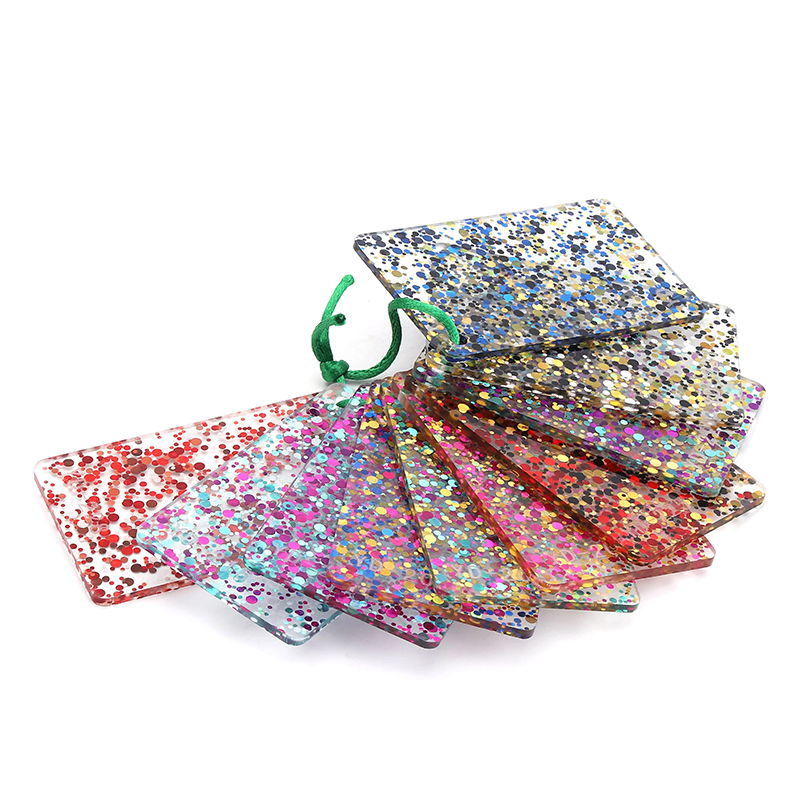
Engineering success depends heavily on proper shop techniques. Treating a furniture acrylic sheet exactly like traditional wood will cause immediate failures. You must adapt your fabrication methods to handle polymers safely.
Standard woodworking blades ruin plastic edges quickly. They cause severe chipping and micro-fractures along the cut line. You must use appropriate saw blade geometries. A triple-chip grind (TCG) blade works best. It scrapes the material rather than tearing it. This action prevents edge melting. For CNC routing, you must dial in specific parameters. Slow feed rates cause friction burns. Fast feed rates shatter the patterned materials.
Follow these numbered steps to avoid material failure:
Install a dedicated triple-chip grind (TCG) saw blade with high tooth counts.
Set CNC spindle speeds lower than standard wood settings (typically around 18,000 RPM).
Maintain a consistent, aggressive feed rate to prevent heat buildup.
Use active air cooling to clear plastic chips away immediately.
Never pause the router bit mid-cut, as it will melt the surrounding area.
Standard construction adhesives ruin transparent panels quickly. Cyanoacrylate (superglue) causes a chemical reaction known as "crazing." This manifests as tiny structural cracks deep inside the plastic. It also leaves an ugly white fog around your joints. You must avoid these standard glues completely.
Instead, use capillary-action acrylic cements. These thin solvent welders actually melt the two mating surfaces together. They create permanent, invisible joinery. Apply them using a fine-tipped needle applicator for best results. Keep the joint clamped firmly while the solvent evaporates. This process takes only minutes but cures completely over 24 hours.
Polymers expand and contract constantly. They respond to ambient temperature changes noticeably. We measure this movement using the coefficient of thermal expansion. Plastics move much more than wood or metal. If you trap a panel tightly inside a door frame, it will bow outward.
You must follow the standard expansion rule. Leave a 1mm to 2mm float gap on all sides. Do this inside rigid wood or metal furniture frames. Do not glue the panel directly into the dado channel. Use flexible silicone gaskets if you need a rattle-free fit. This float gap absorbs seasonal movement perfectly. It prevents panels from warping, buckling, or cracking under pressure.
Not all raw materials perform equally. You must vet your suppliers rigorously. Buying the wrong polymer grade leads to costly downstream replacements.
Factories produce sheets using two distinct manufacturing methods. Cast acrylic offers superior machinability overall. It resists chemical damage much better during routine cleaning. However, it suffers from slight thickness variations across the sheet. Extruded acrylic offers excellent thickness consistency. This strict consistency proves vital for fitting into tight frame channels. However, extruded panels melt easier during heavy routing operations. Choose cast panels for complex edge-work and polishing. Choose extruded panels for simple drop-in frame inserts.
Sunlight degrades untreated plastics aggressively over time. UV exposure causes severe yellowing. It also makes the material brittle and prone to shattering. You must specify UV-stabilized sheets strictly. This protection is absolutely critical for furniture positioned near bright windows. Ask suppliers for clear UV resistance ratings. Review their accelerated weathering test results. Look for multi-year non-yellowing warranties to protect your product quality.
Uncoated plastics remain inherently vulnerable to scratching. Daily use leaves micro-scratches quickly on table surfaces. Address this physical limitation during your procurement phase. You must advise clients on specifying anti-scratch hard coatings. These invisible factory coatings protect high-touch surfaces effectively. They preserve table tops and lower cabinet doors beautifully. Hard-coated sheets cost more upfront. However, they extend product lifespans significantly. They keep the furniture looking pristine for years.
When evaluating manufacturers, always request documentation for the following:
Detailed technical data sheets (TDS) showing exact expansion coefficients.
Certificates of UV stability testing based on industry standards.
Warranty terms covering long-term color clarity and non-yellowing guarantees.
Availability of factory-applied hard-coat treatments for enhanced scratch resistance.
Detailed thickness tolerance measurements to ensure perfect channel fitting.
Successful furniture production relies on marrying elegant aesthetics with strict fabrication tolerances. Your chosen polymer must look stunning while performing safely over time. It must withstand daily user interactions effortlessly. We recommend the following practical next steps:
Request physical A4 sample chips from your shortlisted manufacturers immediately.
Test exact light transmission against your specific internal LED hardware before scaling production runs.
Verify frame channel fitment using your actual extruded or routed wood profiles.
Run a small batch routing test to evaluate edge behavior and chip clearance properly.
Review cleaning protocols and share them clearly with the final end-user.
Taking these proactive steps guarantees a smooth transition to modern polymer panels. You will protect your initial design integrity. You will also streamline final factory assembly. Thoughtful material specification always results in superior, longer-lasting furniture.
A: It typically ranges from 1/8" (3mm) to 3/16" (4.5mm). Your choice depends entirely on the total span of the door. This thickness range balances structural rigidity with low weight. It prevents the door from sagging while keeping hinge mechanisms operating smoothly.
A: Yes. Reverse-painting the flat side of a patterned sheet is a very common technique. It adds an opaque background color while maintaining the glossy, textured depth on the front. You must use acrylic-compatible paints. Standard paints will peel or bubble over time.
A: You must strictly avoid ammonia-based glass cleaners and abrasive cloths. Ammonia causes the plastic to cloud and craze. We recommend using clean microfiber towels only. Wash the surface with a mild soap and water solution, or apply a specialized anti-static acrylic polish.
A: It can bow if you specify the wrong thickness for a large, unsupported span. It also warps if trapped tightly in a rigid frame. You must leave adequate thermal expansion gaps (typically 1-2mm). Proper initial specification and loose frame-fitting fully mitigate this bowing risk.


