
Views: 0 Author: Site Editor Publish Time: 2026-07-15 Origin: Site


Replacing traditional glass in complex or high-stress environments presents significant operational hurdles. Glass is incredibly rigid, heavy, and notoriously fragile during installation. When a project demands a curved architectural feature or a lightweight retrofit, standard glazing often falls short. You need a reliable, adaptable alternative. We provide a clear, evidence-based evaluation framework to help you navigate these exact challenges. We focus on selecting and implementing flexible acrylic sheets across residential, commercial, and specialized window builds. You will learn how to evaluate material performance and application viability based on structural loads. We also cover crucial installation realities to prevent long-term failures. By understanding these parameters, you can confidently specify the right plastics for your next demanding window project.
Flexibility vs. Thickness: Flexibility is inversely proportional to thickness; successful implementation requires calculating the exact gauge needed for the structural load without compromising the required bend radius.
Thermal Efficiency: Acrylic provides inherently better thermal insulation than standard single-pane glass, making it highly viable for storm windows and climate-controlled enclosures.
Material Nuance: An extruded acrylic sheet offers superior thickness tolerance and cost-efficiency for basic window applications, though cast acrylic is required for high-end optical clarity and complex machining.
Installation Reality: Improper installation (failing to account for thermal expansion) is the leading cause of structural failure and stress fracturing in acrylic window panels.
Architects and builders consistently turn to a flexible acrylic sheet to solve distinct engineering problems. Traditional glazing poses serious weight constraints. Acrylic changes this dynamic entirely. It weighs approximately 50% less than standard glass of the exact same dimensions. This massive weight reduction immediately decreases the structural load on window frames. You experience less wear on hinges, tracks, and support beams over time. Lightweight materials also simplify the installation process. Workers handle the panels easily, reducing the need for heavy lifting equipment on site.
Impact resistance is another defining characteristic. Acrylic offers up to 10 times the impact resistance of standard glass. This mitigates breakage risks in high-traffic commercial spaces or weather-exposed environments. When heavy winds or accidental impacts occur, the plastic flexes rather than shattering into dangerous shards. We highly recommend this material for safety-critical zones.
Furthermore, acrylic inherently possesses lower thermal conductivity compared to glass. This means it transfers less heat between interior and exterior environments. You gain superior thermal insulation properties. Upgrading old single-pane glass to acrylic significantly supports HVAC efficiency. It traps interior air better, lowering overall energy consumption.
Despite the advantages, we must evaluate vulnerabilities honestly. Acrylic surfaces scratch much easier than mineral glass. Airborne debris or improper handling can cause micro-scratches. You also face strict maintenance rules. Specialized cleaning agents are mandatory. Standard ammonia-based cleaners chemically attack the plastic. They cause a hazy deterioration known as crazing. Always use mild soap, water, and microfiber cloths.
Not every window requires advanced plastics, but specific projects benefit immensely. We have identified four primary environments where an acrylic window panel outperforms traditional options. Evaluate these use cases against your specific project demands.
Retrofit Storm Windows and Insulation Panels
Many historical or older homes suffer from drafty single-pane windows. Installing acrylic storm windows creates an airtight secondary barrier. You must evaluate energy savings against the upfront material cost. Implementation varies based on building codes. You can use interior magnetic mounting systems for easy seasonal removal. Alternatively, exterior tracks provide robust year-round protection.
Curved Architectural Windows and Skylights
Curved facades demand adaptable materials. You must evaluate cold-bending limits based on sheet thickness. Never force a bend beyond the material's tolerance. Implementation requires calculating the exact minimum bend radius. A general rule dictates the radius should be 330 times the thickness. Pushing past this limit creates micro-fracturing (crazing) at the stress points.
Greenhouses and Outbuilding Glazing
Agricultural outbuildings require durable, light-transmitting materials. Acrylic provides excellent light diffusion and weatherability. It allows vital wavelengths to reach plants while protecting them from harsh weather. You should evaluate UV transmission rates based on the specific crop requirements. The impact resistance easily handles stray branches or heavy hail.
Marine and RV Window Replacements
Mobile environments endure constant movement. Marine vessels and recreational vehicles need materials offering high vibration tolerance. Glass often shatters under constant torsional twisting. Acrylic flexes alongside the vehicle frame. This shatter resistance is non-negotiable for mobile safety. Evaluation criteria focus heavily on watertight sealing methods designed for moving frames.
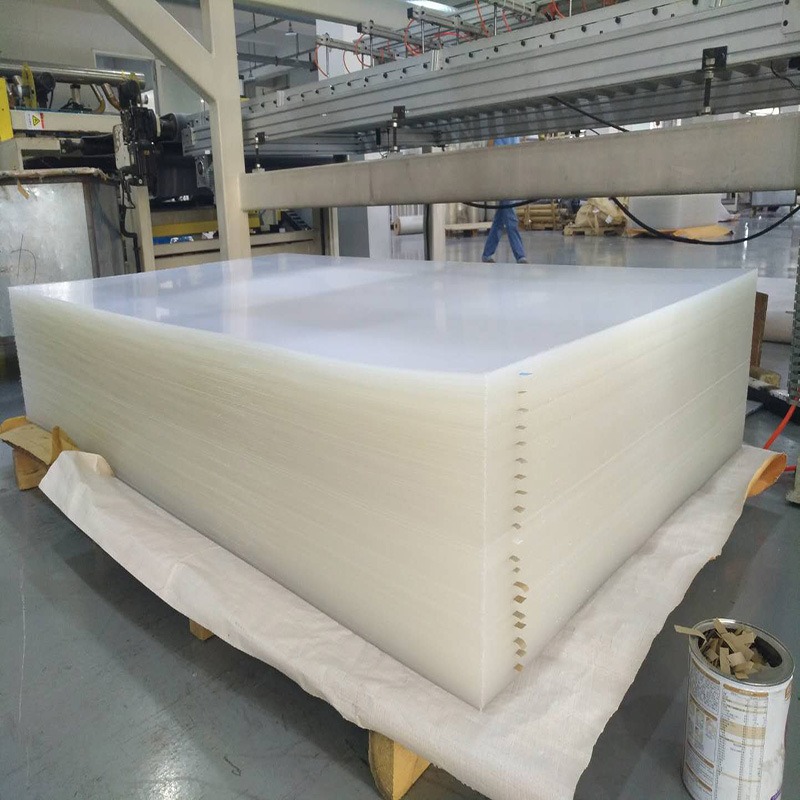
Understanding manufacturing differences prevents costly specification errors. The plastics industry primarily produces two variations: extruded and cast. They share chemical similarities but behave differently during fabrication.
An extruded acrylic sheet represents the industry standard for most window applications. Manufacturers push molten polymer through a die to form continuous sheets. This method creates tighter thickness tolerances across the entire panel. It proves highly cost-effective for large-scale commercial glazing. Fabricators find it easier to flame-polish and cold-bend. We recommend this option for standard flat window replacements, basic storm windows, and simple curved enclosures.
Cast acrylic involves pouring liquid resins into glass molds. This slower process yields superior optical clarity. It features a higher molecular weight, resulting in better chemical resistance. Machining cast acrylic is much easier. You can drill, route, and saw it without melting the edges. This makes it ideal for optically critical architectural viewing panels and heavily machined custom frames.
Selecting the correct gauge ensures both structural integrity and desired flexibility. Use the reference matrix below to match sheet thickness to your intended application.
Sheet Thickness | Primary Application | Flexibility / Cold Bending Rating |
|---|---|---|
1/8" (3mm) | Interior storm windows, picture frames, small cabinet glass. | High flexibility. Easily forms around tight architectural curves. |
3/16" (4.5mm) | Greenhouses, shed windows, small skylights. | Moderate flexibility. Suitable for gentle roof arches. |
1/4" (6mm) | Marine windows, exterior commercial glazing, large skylights. | Low flexibility. Requires wide structural radii to prevent stress. |
3/8" (9mm)+ | Acoustic barriers, deep-sea marine panels, security windows. | Rigid. Generally unsuitable for cold-bending on site. |
Fabrication and installation require specific technical approaches. Treating plastics like standard glass guarantees failure. A transparent acrylic board behaves differently under temperature changes and mechanical stress.
This is the most critical installation requirement. Acrylic expands and contracts up to 3-8 times more than glass or metal frames. If you cut the panel to fit tightly inside a metal frame, it will buckle or crack during summer heat. You must oversize the frame channels. We strongly advise leaving a gap around the entire perimeter. Fill this expansion gap using flexible silicone sealants. Always specify non-acetic sealants. Acetic cure silicones release acids during curing, which damage the acrylic edges.
Summary Chart: Thermal Expansion vs. Frame Allowances | ||
Panel Dimension (Longest Side) | Expected Expansion Margin | Recommended Edge Clearance |
|---|---|---|
Up to 24 inches | Low | 1/16 inch per side |
24 to 48 inches | Moderate | 1/8 inch per side |
48 to 96 inches | High | 3/16 inch to 1/4 inch per side |
Machining plastics creates localized heat. Standard wood or metal drill bits grab the plastic, causing catastrophic edge chipping. You must use plastics-specific drill bits. These bits feature a 60-90 degree point angle and a zero-degree rake. They scrape the plastic rather than aggressively pulling through it. Always leave the protective paper or film masking on until the final installation step. After cutting, you should deburr the edges. Micro-cracks along a rough-cut edge act as stress risers. Sanding these edges smooth significantly reduces the risk of long-term cracking.
You face two primary choices: mechanical fastening or channel glazing. We strongly prefer channel glazing for exterior windows. Deep U-channels allow the plastic to float and expand freely. If you must use mechanical fasteners, never screw directly through a tight hole. Drill holes slightly larger than the screw shaft. Always use rubber washers to distribute the pressure evenly. Rigid adhesives often fail in these applications. Because the plastic moves dramatically with temperature shifts, brittle glues break their bond instantly. Always rely on mechanical trapping or highly elastic sealants.
Balancing upfront material costs against project logistics helps streamline your supply chain. Acrylic represents a strategic upfront investment. The material itself often costs slightly more than basic single-pane glass depending on the grade. However, you recover this difference quickly through logistical savings. The extreme weight reduction lowers shipping fees significantly. Manual handling becomes faster and safer on the job site. You also drastically reduce replacement costs caused by shipping breakages.
Environmental exposure dictates the functional lifespan. UV yellowing remains a primary concern for outdoor applications. Standard grades eventually turn hazy under intense sunlight. We strongly recommend specifying UV-stabilized or coated materials for any exterior project. Proper UV-coated sheets easily maintain optical clarity for a decade or more. You must assess the local climate exposure. High altitudes or constant direct sun demand premium UV-resistant grades to guarantee long-term performance.
Choosing the right supply partner ensures smooth project delivery. Evaluate suppliers based on specific technical capabilities. Look for vendors offering precision cut-to-size services. Factory-cut panels arrive with superior edge quality, minimizing your onsite labor. You should also check their edge-finishing options. Flame-polished edges improve aesthetics for frameless installations. Finally, review their minimum order quantities. Custom extrusions or rare tints often require bulk purchases. Always confirm these details before finalizing your project timeline.
Implementing a flexible acrylic sheet offers a high-performance alternative to traditional glass. Success depends heavily on matching the material grade to your environmental load and flexibility requirements. Standard glass simply cannot provide the impact resistance or bending capabilities required by modern architectural or mobile environments.
We advise buyers to prioritize accurate thickness calculations immediately. Never guess the required bend radius. You must also mandate strict thermal expansion allowances during the framing phase. Cutting corners on expansion gaps guarantees future cracking.
Take actionable steps today to secure your project materials. Request a physical material sample from your supplier to test clarity. Utilize an engineering thickness calculator to determine exact wind load tolerances. Consult directly with a fabrication specialist to order custom cut-to-size window panels tailored to your precise frame dimensions.
A: Cold-bending limits depend strictly on thickness. A general rule is the minimum bend radius is roughly 330 times the thickness of the sheet. For example, a 1/8-inch panel bends much tighter than a 1/4-inch panel. Forcing it beyond this mathematical limit causes stress crazing or immediate fracture.
A: Standard acrylic is naturally more UV resistant compared to polycarbonate. However, extended outdoor exposure can cause slight hazing. Specific UV-coated or stabilized grades are highly recommended for 10+ year outdoor window applications to guarantee perfect optical clarity and prevent discoloration.
A: No. You must strictly avoid standard glass cleaners. Ammonia-based chemicals cause a severe chemical reaction known as crazing, which creates permanent micro-cracking and cloudiness. We recommend cleaning the surface gently using only mild soap, warm water, and clean microfiber cloths.
A: Polycarbonate offers extreme impact resistance but scratches easier and yellows much faster under sunlight. Extruded acrylic is generally preferred for DIY windows. It provides better long-term optical clarity, superior scratch resistance, easier machining properties, and generally comes at a lower material cost.


