
Views: 0 Author: Site Editor Publish Time: 2026-06-25 Origin: Site


Material failure in harsh chemical environments is a major operational liability. It leads directly to severe equipment downtime, significant safety hazards, and compromised sterile zones. Specifying standard acrylic when aggressive solvents are present introduces an unacceptable level of risk. Standard polymethyl methacrylate (PMMA) crazes and degrades quickly upon repeated chemical exposure.
What differentiates a chemical resistant acrylic sheet from basic PMMA? Specialized manufacturing methods incorporate highly cross-linked polymer structures or resilient surface coatings. These engineered structural upgrades actively prevent harsh chemicals from penetrating the material matrix.
This functional distinction matters deeply for custom fabrication. Ignoring it leads to rapid structural decay and unsafe working environments. We designed this comprehensive guide as a pragmatic framework. You will discover exactly how to evaluate, specify, and successfully machine this advanced material. We provide actionable, proven solutions for demanding industrial, medical, and laboratory applications.
Chemical resistant acrylic is mandatory for environments requiring frequent sanitation with aggressive solvents, preventing the micro-crazing seen in standard acrylics.
The choice between extruded and cast acrylic sheet formats dictates both optical clarity and fabrication methodology (machining tolerances vs. thermoforming limits).
Solvent welding and edge finishing require adjusted techniques; the same properties that resist chemical degradation also resist standard chemical bonding agents.
Accurate specification of a fabrication acrylic panel requires balancing upfront material costs against the lifecycle ROI of reduced maintenance and replacement cycles.
Incorrect material specification creates expensive business problems. Standard acrylic simply cannot survive aggressive environments. When exposed to harsh chemicals, basic PMMA exhibits clear failure symptoms. The material undergoes rapid clouding, losing its optical clarity entirely. You will notice micro-crazing forming across the surface. These tiny cracks severely compromise structural integrity. Eventually, the plastic becomes brittle and shatters under minimal stress.
You must understand the chemical classes causing this destruction. Standard PMMA polymer chains break apart easily when certain solvents attack them. To illustrate this vulnerability, we can categorize the most common threats.
Chemical Class | Common Examples | Impact on Standard PMMA |
|---|---|---|
Aromatic Hydrocarbons | Benzene, Toluene, Xylene | Severe structural degradation, immediate softening. |
Ketones | Acetone, MEK | Rapid dissolution and total material failure. |
High-Concentration Alcohols | Isopropyl Alcohol (IPA), Ethanol | Surface clouding, rapid micro-crazing, eventual cracking. |
Halogenated Solvents | Chloroform, Methylene Chloride | Aggressive chemical melting and bonding disruption. |
Identifying the exact operational thresholds helps justify an upgrade. You need to upgrade when your facility enforces ISO cleanroom sterilization protocols. Frequent sanitation routines destroy standard plastics quickly. Laboratory splash zones also serve as a strict upgrade trigger. If your equipment faces accidental chemical spills, you cannot rely on unprotected PMMA.
Engineers specify advanced materials for high-stakes environments. A high-quality fabrication acrylic panel ensures safety and compliance across multiple industries. Below, we detail the most critical applications demanding enhanced chemical resistance.
Laboratories require pristine visibility for glove boxes and isolation chambers. Researchers often handle dangerous biological agents or volatile compounds inside these enclosures. Facility protocols mandate rigorous cleaning. Workers routinely apply aggressive sterilants like high-concentration isopropyl alcohol or hydrogen peroxide vapor. Standard acrylic clouds under these conditions. Modified acrylic maintains perfect optical clarity despite daily sanitation cycles. Centrifuge shields also benefit from this material. They resist chemical splash damage while protecting operators from physical impact.
Heavy industry presents extreme material challenges. Semiconductor manufacturing lines use highly corrosive chemical washes. Equipment splash guards must withstand localized chemical exposure constantly. CNC machining operations use aggressive synthetic cutting fluids. When these fluids hit standard plastic shields, the shields degrade rapidly. The operator eventually loses line-of-sight into the machine. Chemical resistant plastics prevent this dangerous visibility loss.
Commercial environments require extreme durability. Retail displays often endure harsh commercial cleaning agents. Cleaning staff frequently use ammonia-based glass cleaners. Ammonia attacks basic acrylic and leaves a permanent milky haze. Upgrading to specialized acrylic preserves the aesthetic value of high-traffic displays. The material remains glossy and clear for years.
You must match your application to verifiable compliance standards. Ground your material claims in objective metrics. Medical devices often require USP Class VI certification. Food processing equipment mandates FDA compliance for direct contact. Industrial settings prioritize UL flammability ratings. Always verify these certifications before finalizing your material selection.
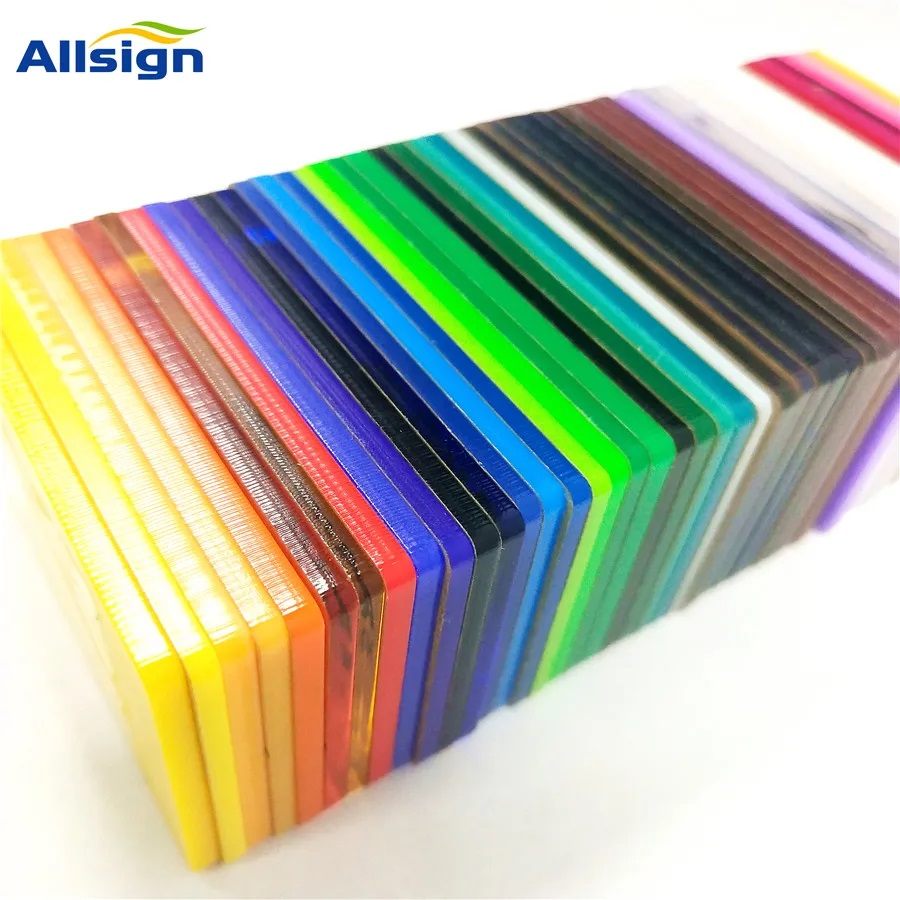
Material selection dictates the success of your fabrication project. You must understand the fundamental difference between manufacturing processes. These processes directly impact chemical resistance and workability.
Manufacturers produce acrylic using two primary methods. Cell-casting involves pouring liquid monomer between two glass panes. The material cures slowly into a solid sheet. Extrusion involves pushing melted polymer through a mechanical die to form continuous sheets. These differing methods create wildly different internal polymer structures.
A premium cast acrylic sheet features a significantly higher molecular weight. The cell-cast process produces long, tightly interlocked polymer chains. This robust structure naturally resists chemical penetration. It also offers superior machinability. When a router bit hits cast acrylic, the material chips cleanly rather than melting. You achieve better optical clarity and higher resistance to a broader range of chemicals.
Extruded acrylic offers noticeable thickness tolerance advantages. It also provides clear cost benefits for large production runs. However, you must recognize its structural constraints transparently. The extrusion process introduces high internal stress levels. The polymer chains remain stretched and tense. When you apply aggressive solvents during fabrication, the extruded material releases this tension. This process causes rapid, solvent-induced crazing. Extruded acrylic melts easier during high-speed machining.
Use this strict shortlisting logic for your projects:
Analyze the machining complexity: Do you need deep routing, complex drilling, or precise threading? Choose cast acrylic.
Assess the chemical environment: Will the part endure frequent harsh solvent exposure? Choose cast acrylic.
Evaluate forming requirements: Do you need simple thermoformed parts? Extruded acrylic bends easily under heat.
Review budget constraints: If the environment is moderate and tolerances are loose, extruded options may suffice.
We highly recommend cast acrylic for demanding industrial and medical environments. It simply outperforms extruded alternatives.
Fabricating specialized plastics requires altered techniques. You cannot treat chemical-resistant materials like basic hobby plastics. Standard machining practices often ruin expensive sheets. You must adapt your engineering approach to maintain material integrity.
Improper machining compromises chemical resistance at the edges. When you cut acrylic, friction generates immense heat. Heat buildup introduces localized stress into the polymer chains. Stressed edges become highly vulnerable to chemical attack. You must use specific tooling requirements to prevent this degradation.
Use specialized O-flute router bits designed specifically for rigid plastics.
Maintain high spindle speeds alongside aggressive feed rates to evacuate chips quickly.
Ensure your cutting tools remain razor-sharp. Dull tools cause catastrophic melting.
Apply compressed air cooling directly to the cutting zone.
Engineers face a frustrating core paradox here. A durable acrylic material resists harsh chemicals efficiently. Naturally, it also resists standard solvent cements. Traditional capillary solvents work by melting the plastic surface to weld pieces together. Chemical-resistant grades repel these solvents. The liquid simply evaporates without biting into the plastic.
You must deploy alternative joining methods. Mechanical fasteners provide the most reliable structural connection. If you must use adhesives, select specialized two-part polymerizable cements. These structural adhesives create a distinct chemical bond independent of the plastic's surface resistance. Sonic welding also works well for smaller, high-volume production parts.
Edge finishing demands careful consideration. Many fabricators love flame polishing because it produces a fast, glossy edge. However, flame polishing introduces massive internal thermal stresses. When chemical vapor hits a flame-polished edge, the edge shatters. We strongly recommend mechanical polishing instead. Diamond edge polishing maintains complete chemical integrity while delivering a perfectly transparent finish.
You must implement proper troubleshooting and safety protocols. Laboratory and industrial SOPs dictate strict handling guidelines for modified PMMA. Always wear proper respiratory protection when routing heavily coated plastics. Ensure adequate ventilation when applying two-part polymerizable cements. Inspect all machined edges for micro-fractures under polarized light before deploying the part.
Procuring specialized plastics requires a methodical sourcing strategy. Vague purchase orders lead to mismatched materials and project failures. You must clearly define every parameter to guarantee long-term performance.
Specify your cut-to-size dimensions with exact machining tolerances. Cast materials inherently vary in thickness across the sheet. You must account for this thickness variance in your engineering models. Outline your protective masking requirements clearly. Paper masking provides superior protection during heavy routing. Film masking works better for laser cutting applications. Demand masking on both sides of the sheet until final assembly.
You cannot trust generic material claims. Establish strict criteria for evaluating your fabricators. Ask vendors to provide specific chemical compatibility charts. Ensure these charts apply to the exact brand of acrylic they intend to source. Generic PMMA charts do not apply to specialized grades. Verify their post-machining annealing processes. Reputable fabricators bake machined parts in specialized ovens. This annealing process relieves internal stress and restores maximum chemical resistance.
Chemical resistant acrylic carries a premium upfront price. Procurement teams often balk at this initial cost. You must provide a strong framework for justifying the investment. Calculate the deferred costs accurately. Factor in the labor hours required to replace degraded standard plastic. Include the revenue lost during machine downtime. When you analyze the lifecycle ROI, the premium material pays for itself rapidly. You eliminate frequent replacement cycles and drastic maintenance delays.
Specifying a chemical resistant acrylic sheet serves as a critical risk-mitigation strategy. It is not merely a cosmetic material upgrade. You protect delicate machinery, ensure operator safety, and maintain sterile environments by choosing the correct polymer structure. Standard acrylic simply cannot survive modern industrial and medical sanitation protocols.
We emphasize the absolute necessity of validating your material choices. Always perform environmental testing before committing to large production runs. Expose sample pieces to your actual use conditions. Apply your specific cleaning solvents and observe the material over several days.
Take immediate action on your next project. Request a physical material sample from your supplier today. Download the specific chemical compatibility chart for your intended application. Consult directly with a fabrication engineer to discuss custom machining tolerances and request a detailed project quote.
A: Yes, you can laser cut these materials, but edge stresses must be mitigated carefully. The laser generates intense localized heat. This heat compromises the material's chemical resistance along the cut line. You must perform post-fabrication annealing in a controlled oven. Annealing relieves the thermal stress and fully restores chemical resistance at the heat-affected zones.
A: You must weigh a specific trade-off. Polycarbonate offers vastly higher impact resistance and structural flexibility. However, specialized acrylic offers superior optical clarity and exceptional UV stability. Crucially, specialized acrylic resists specific aggressive solvents that quickly yellow, degrade, and destroy standard polycarbonate.
A: Standard acrylic crazes and cracks rapidly under IPA exposure. True chemical-resistant grades are specifically formulated to withstand standard sanitizing concentrations of IPA. However, prolonged pooling or high-heat interaction changes the dynamic. You always require specific manufacturer verification for extreme exposure conditions.
A: No. Standard capillary solvents like Weld-On 3 or 4 are often completely ineffective. The material repels the solvent, preventing the chemical weld from forming. You usually require specialized two-part structural adhesives or robust mechanical fastening methods to join these panels successfully.


