
Views: 0 Author: Site Editor Publish Time: 2026-03-05 Origin: Site


Outdoor signage that fades too quickly, bathroom cabinets that swell at the edges, and enclosure panels that warp after months of exposure are common problems when the wrong substrate is selected. For projects exposed to rain, humidity, splashes, or fluctuating temperatures, PVC foam board is often evaluated because it offers a balance of moisture resistance, dimensional stability, and fabrication flexibility. Whether the application involves outdoor advertising signs, wet-area furniture, ventilation duct casings, automotive interior panels, or industrial equipment shields, understanding how this material performs in humid and weather-facing environments helps buyers make confident, long-term decisions.
Within the broader category of PVC foam board, certain variations are designed to provide enhanced surface durability. PVC Celuka Board is frequently chosen when projects require a firmer face and improved surface hardness.
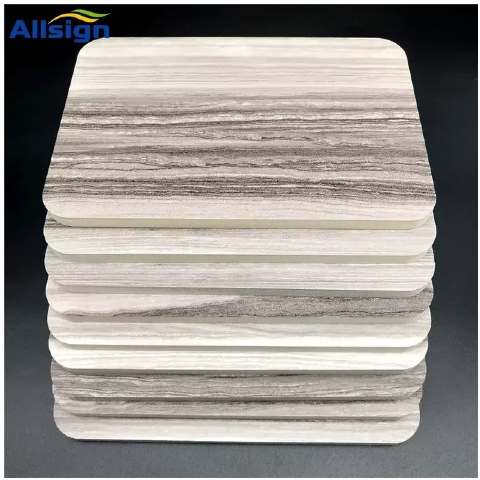
PVC Celuka Board is produced with a co-extruded outer layer that forms a denser, smoother skin compared to standard foam board. This harder surface can improve resistance to scratches, minor impacts, and surface wear, which is particularly relevant in outdoor signage and high-traffic interior areas.
When panels are installed in semi-exposed locations such as storefront façades or covered outdoor structures, the outer skin helps maintain a clean appearance for a longer period. The improved surface integrity also supports printing and lamination processes, helping graphics stay visually consistent.
In humid or demanding environments, surface rigidity matters. A firmer outer layer reduces the likelihood of surface dents during handling and installation. For cabinet doors, enclosure panels, or equipment shields, this characteristic can contribute to a more professional finish.
PVC Celuka Board is also commonly used in applications where surface flatness and dimensional stability are important, especially when panels need to align precisely in modular systems.
Projects that involve visible panels, such as bathroom cabinet sides or exposed duct casings, benefit from a material that presents a tidy surface. The smooth outer skin supports painting, laminating, or leaving the sheet in its natural finish, depending on design requirements.
For outdoor signs with routed letters or printed graphics, a durable face layer contributes to maintaining aesthetic quality despite environmental exposure.
Outdoor signage must withstand wind, rain, sunlight, and temperature changes. Substrates that absorb moisture or degrade quickly under UV exposure can lead to frequent replacements and increased maintenance costs.
PVC foam board can be used for flat panel signs, routed dimensional lettering, and layered sign constructions. Its surface compatibility with direct printing and vinyl application makes it suitable for advertising graphics that require sharp detail and consistent color presentation.
In fabricated signage, panels can be cut, routed, or bonded into custom shapes. This versatility allows designers to create brand-specific sign formats without compromising structural integrity.
Unlike materials that rely on paper-based cores or absorbent layers, PVC foam board is less likely to swell or delaminate due to rain or humidity. For outdoor advertising signs installed in exposed conditions, resistance to water penetration helps maintain shape and surface appearance.
This characteristic is especially valuable in regions with heavy rainfall or high humidity levels, where moisture-related deterioration can occur rapidly.
While PVC foam board performs well in many outdoor settings, performance is influenced by factors such as sheet density, thickness, and UV exposure. Proper framing, fastening, and edge finishing also contribute to long-term stability.
Projects with direct, prolonged sunlight exposure may require UV-resistant grades or protective coatings. Understanding these variables helps ensure optimal service life.
Moisture-heavy interior spaces present unique challenges. Bathroom cabinets, laundry room fixtures, and spa environments often experience elevated humidity and occasional water contact.
Traditional wood-based panels can absorb moisture, leading to expansion, warping, or surface damage. PVC foam board provides an alternative that is less sensitive to humidity fluctuations.
For cabinet bodies and internal structural panels, dimensional consistency supports proper door alignment and hardware installation over time.
In wet-area furniture, maintaining stable panel dimensions ensures smoother assembly and improved long-term performance. Back panels, side panels, and decorative components made from PVC foam board help preserve structural alignment.
Because the material is easy to cut and machine, it can be adapted to custom cabinetry designs without complex tooling.
Although PVC foam board resists moisture, proper edge sealing and finishing practices remain important. In environments where panels are exposed to frequent splashes, attention to installation details contributes to maintaining appearance and cleanliness.
Utility and mechanical spaces require enclosures that protect internal systems while maintaining a tidy exterior.
Ventilation duct casings and equipment covers often need to be custom-fabricated to fit around complex mechanical layouts. PVC foam board’s manageable weight and machinability support efficient panel production.
Lighter panels also simplify installation in elevated or confined spaces.
Enclosures typically involve multiple joints and custom dimensions. PVC foam board can be cut, drilled, and bonded into box-like structures without requiring heavy fabrication equipment.
This flexibility allows contractors to create protective casings that integrate smoothly with surrounding architectural elements.
In commercial buildings where ductwork and equipment are partially visible, clean enclosure panels contribute to a professional appearance. PVC Celuka Board, with its smoother surface, is particularly suitable for visible applications that demand a refined finish.
Automotive interior components and industrial equipment panels require materials that are easy to shape and maintain.
For interior trim panels, protective covers, and non-load-bearing shields, PVC foam board can provide an adaptable solution. Its ability to be cut into custom shapes supports diverse design requirements.
Automotive and industrial projects often involve tailored panel geometries. PVC foam board can be machined to meet these specifications without excessive processing complexity.
This adaptability contributes to shorter production cycles and improved project efficiency.
While suitable for many protective and decorative uses, PVC foam board is generally not intended for heavy structural load-bearing components. Clarifying the intended role of the panel ensures proper application.
Understanding environmental influences helps maximize long-term results.
Direct sunlight can influence material appearance over time. Selecting appropriate grades or finishes supports better visual retention in outdoor installations.
Thicker or denser boards may provide improved rigidity in larger sign panels or enclosure structures. Matching panel specifications to project demands is essential.
Installation quality significantly affects durability. Secure fastening systems, adequate framing support, and properly finished edges contribute to maintaining panel stability in outdoor and humid environments.
Application | Main Exposure Condition | Why It Fits | What Buyers Should Check First |
Outdoor advertising signs | Rain and sunlight | Moisture resistance and print compatibility | UV exposure level and thickness |
Bathroom cabinets | High humidity | Dimensional stability in wet areas | Edge finishing and installation |
Ventilation duct casings | Temperature changes | Lightweight and easy fabrication | Structural support requirements |
Automotive interior panels | Humidity and vibration | Custom shaping and clean finish | Non-load-bearing suitability |
Industrial equipment shields | Splash and moisture | Protective surface with easy machining | Panel density and mounting method |
Applications exposed to humidity, splashes, and outdoor weather require careful substrate selection. PVC foam board, particularly PVC Celuka Board with its denser surface layer, provides a practical balance of moisture resistance, durability, and fabrication flexibility across signage, cabinetry, duct enclosures, automotive interiors, and equipment shields. Allsign, as a professional manufacturer with a large production base and internationally certified processes, supplies high-quality sheets tailored for outdoor and humid-use environments worldwide. If your project demands reliable performance in challenging conditions, contact us to discuss the right specifications for your next PVC expanded board application.
1. Can PVC foam board be used outdoors long term?
Yes, it is commonly used for outdoor advertising signs and panels. Performance depends on grade, UV exposure, and installation quality.
2. What is the advantage of PVC Celuka Board in humid areas?
PVC Celuka Board offers a harder surface and improved durability, making it suitable for bathroom cabinets and wet-area panels.
3. Is PVC foam board suitable for ventilation duct casings?
It is often used for lightweight enclosure panels due to its easy cutting and stable surface.
4. Can PVC foam board be used in automotive interiors?
It may be used for non-structural interior panels and protective covers where custom shaping and moisture tolerance are important.


