
Views: 0 Author: Site Editor Publish Time: 2026-07-05 Origin: Site


Modern furniture manufacturing faces a core challenge today. Designers must carefully balance striking, differentiated aesthetics against highly scalable production costs. They also need to manage strict weight limits and demanding durability constraints. We are seeing a major transition away from traditional, heavy materials across the industry. Legacy options like textured glass or solid wood often fall short in modern, agile production environments. Engineered plastics now dominate many high-volume commercial lines. Specifically, a 3D patterned acrylic sheet stands out as a highly effective alternative.
For B2B furniture designers and manufacturers, rethinking material choices is absolutely vital. Transitioning to patterned acrylic requires a clear understanding of its unique material properties. You must grasp the machining realities to avoid costly production delays. Furthermore, justifying this specification over legacy materials depends on analyzing overall manufacturing efficiency and lifecycle benefits. You will learn how to evaluate core features and implement proven fabrication strategies directly on your shop floor.
Weight-to-Strength Ratio: 3D patterned acrylic offers the visual depth of cast glass at half the weight, significantly reducing shipping and structural framing costs.
Manufacturing Efficiency: Unlike tempered glass, a furniture acrylic panel can be machined, routed, and thermoformed on-site without compromising structural integrity.
Light and Space Optimization: Textured surfaces inherently diffuse light, offering privacy and visual intrigue without making spaces feel enclosed.
Implementation Reality: Success requires strict adherence to proper machining tolerances and cleaning protocols to prevent stress-crazing and surface micro-scratches.
Historical friction points constantly plague the use of architectural glass and premium plywood. Commercial and high-end residential furniture lines frequently suffer from these legacy material choices. Glass introduces massive freight burdens across the supply chain. Breakage rates during transit remain stubbornly high despite specialized crating. Furthermore, premium plywood demands complex, multi-step finishing processes. Workers must sand, seal, and lacquer wood panels repeatedly. Both materials impose strict weight-bearing limitations on hinges and structural frames. We often see expensive hardware fail prematurely because heavy glass doors exceed recommended load capacities.
You can solve these specific bottlenecks by switching to modern engineered polymers. A high-quality acrylic solution offers exceptional impact resistance for daily use. In fact, it provides 10 to 17 times greater impact resistance than standard glass panels. This massive durability upgrade eliminates transit breakage almost entirely. You significantly reduce the need for expensive, specialized freight crating. Assembly line workers can handle large panels without facing extreme safety hazards. The risk of shattering drops to zero.
Manufacturing timelines shrink considerably when adopting this material strategy. You completely bypass external custom-tempering delays. Fabrication happens directly on your own shop floor using standard woodworking machinery. This autonomy streamlines your entire production schedule. You no longer wait weeks for replacement glass if a design specification changes. Operational savings emerge rapidly in reduced shipping weight and lower breakage loss. Faster in-house fabrication keeps your assembly lines moving efficiently.
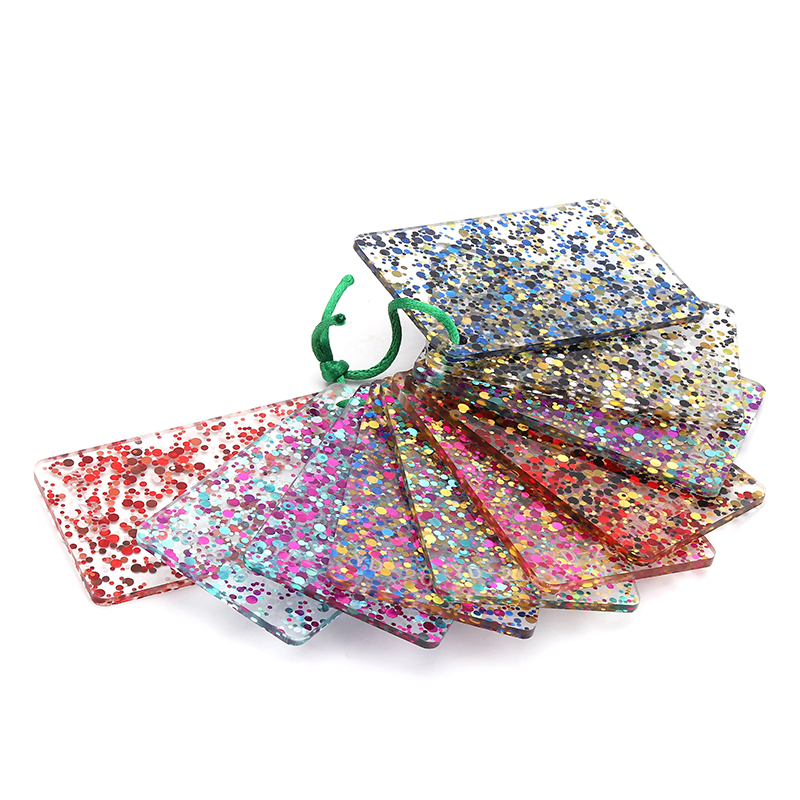
Designers heavily rely on visual depth and optimal light diffusion. A textured acrylic sheet manipulates ambient and integrated LED lighting beautifully. The textured surface scatters incoming light rays perfectly. It actively eliminates harsh LED hot spots. The material hides fingerprints effectively in busy, high-traffic areas. You can select varying levels of opacity for functional privacy screens. This flexibility lets you design open, airy spaces while maintaining distinct visual boundaries.
Durability remains a massive advantage over alternative options. Let us contrast acrylic directly against traditional glass and plywood. Acrylic survives heavy impacts effortlessly where glass shatters into dangerous shards. It resists moisture flawlessly in damp environments. Plywood inevitably warps and swells when exposed to high humidity. This supreme moisture resistance proves especially relevant for bathroom vanities. Kitchen cabinetry also benefits greatly from completely waterproof inserts.
You gain unparalleled seamless design integration. Acrylic allows for flawless edge-joining using specialized solvent cements. These cements create optically clear, incredibly strong chemical bonds. You can also employ thermoforming techniques effortlessly. Heat shaping enables sweeping, curved furniture designs. Executing these same organic curves in architectural glass becomes prohibitively expensive. You can achieve high-end aesthetic goals while controlling your production budget.
Material Feature | Textured Acrylic | Architectural Glass | Premium Plywood |
|---|---|---|---|
Weight Profile | Very Light (Half of glass) | Extremely Heavy | Moderate to Heavy |
Impact Resistance | Excellent (10-17x glass) | Poor (Prone to shatter) | Good (Can dent/splinter) |
Moisture Resistance | 100% Waterproof | Waterproof | Vulnerable (Prone to warp) |
Thermoforming | Highly feasible | Extremely expensive | Impossible |
Innovative manufacturers deploy patterned materials across highly diverse product lines. Cabinetry and wardrobes represent a primary, high-volume application. You can easily use a furniture acrylic panel as a lightweight insert for large doors. These panels create striking visual disruption in minimalist spaces. They accomplish this design goal without adding excessive hinge strain. Lighter doors operate much smoother and last significantly longer in hotel or residential settings.
Room dividers and modular partitions also benefit immensely from this material. Commercial open-plan spaces require flexible zoning solutions. You leverage the material's double-sided aesthetic perfectly in these environments. The impressive rigidity-to-weight ratio allows for massive free-standing partitions. They remain completely stable without requiring heavy steel floor anchors. Office designers favor this approach for rapid interior reconfigurations.
Integrated lighting fixtures showcase the material's absolute best qualities. We utilize the light-scattering properties of 3D patterns constantly. They work flawlessly for illuminated headboards in boutique hospitality projects. You see them frequently in upscale bar fronts and retail display tables. The material diffuses intense LED light into a soft, luxurious glow.
Select the appropriate pattern depth to match your specific LED wattage.
Position LED strips at least two inches away from the panel edge.
Install a high-quality reflective backer board to maximize forward light diffusion.
Test the completed assembly in a dark room to identify any lingering hot spots.
Secure the lighting components using thermally conductive tape to manage heat generation.
Fabricating plastics requires specialized, precise knowledge. We must address common machining challenges transparently. You face real risks of chipping or melting during the routing process. Heat builds up rapidly around the cutting tool. You need correct CNC feed rates to prevent this intense friction. Specialized single-flute acrylic bits are absolutely necessary. They clear chips efficiently and keep the parent material cool. Standard woodworking blades will instantly ruin the sheet.
Thermal expansion constraints demand careful structural planning. Acrylic expands and contracts naturally as ambient temperatures shift. You must acknowledge this physical reality during the early drafting phase. We strongly recommend designing floating frames for all panel inserts. Allowing tolerance gaps inside furniture channels prevents eventual bowing. Pinning the material tightly guarantees future stress fractures. A standard rule requires leaving at least a 1/16-inch gap per foot of material.
Surface maintenance remains a primary concern for skeptical buyers. Scratching happens if users clean surfaces incorrectly. You must detail strict requirements for non-abrasive cleaning protocols. Provide clients care guides specifying microfiber cloths and plastic-safe cleaners. Avoid ammonia-based window sprays entirely. Fortunately, minor scratch-repair feasibility is excellent. You can buff out shallow scuffs quickly using specialized plastic polishes. Permanently etched glass offers no such repair option.
Never use standard alternating-top-bevel woodworking blades.
Always use modified triple-chip grinds for table saw cutting.
Leave the protective film masking on the sheet until final assembly.
Apply gentle heat along bent edges to relieve localized internal stress.
Drill oversized holes for mounting hardware to accommodate thermal expansion.
Sourcing the right raw goods dictates your final product quality. Designers must conduct a strict cast versus extruded evaluation. We explain exactly why designers must specify cast material. Cast sheets deliver far superior routing and polishing outcomes. They melt much less frequently under a high-speed router bit. Cheaper extruded sheets carry massive internal stress from the manufacturing process. They craze and crack quickly when exposed to complex machining or solvent cements.
You need clear quality indicators when interviewing potential suppliers. Demand exact criteria before placing bulk orders. Request documented UV stability ratings to prevent yellowing over time. Strict thickness tolerances ensure panels fit perfectly into your hardware channels. Consistent pattern matching across large production runs is highly critical. A reliable decorative acrylic material supplier guarantees batch-to-batch uniformity.
Performance Metric | Cast Acrylic (Recommended) | Extruded Acrylic (Avoid) |
|---|---|---|
Machining Clarity | Cuts clean, polishes to a perfect shine | Gummy edges, highly prone to melting |
Internal Stress | Very low structural stress | High stress (Causes micro-cracking) |
Thickness Variance | Slightly variable (+/- 10%) | Highly uniform |
Chemical Resistance | Higher resistance to cleaning solvents | Lower resistance, crazes easily |
Establishing a solid proof of concept prevents costly manufacturing errors. We always recommend requiring small-batch prototype testing. Evaluate light transmission thoroughly in your own facility. Test hinge-mounting strength rigorously before full production. Validate these core metrics thoroughly before committing to high-volume procurement. This testing phase guarantees your final product will meet stringent client expectations.
Replacing legacy materials requires strategic planning and precise execution. Upgrading to patterned acrylic significantly reduces manufacturing weight. It elevates overall design capabilities and aesthetic outcomes for modern furniture lines. You simply must respect specific fabrication constraints to achieve these premium results. Adhering to proper machining protocols and thermal guidelines guarantees long-term product durability.
Buyers should take immediate action to validate these material benefits. We strongly encourage you to request physical samples right away. Test light transmission directly alongside your specific LED setups. Run test-cuts on your shop's existing CNC machinery. Validating your internal production capabilities ensures a smooth, highly profitable material transition.
A: While highly impact-resistant, acrylic is prone to bowing under sustained loads. It should be used as a decorative infill, panel, or properly supported surface rather than a standalone load-bearing structural span.
A: Upfront material costs are often similar. However, acrylic yields a lower final landed cost due to cheaper shipping, zero custom-tempering delays, and minimal transit breakage.
A: Standard acrylic is naturally more UV resistant than polycarbonate. For long-term outdoor furniture, buyers must specify UV-stabilized cast acrylic to guarantee zero yellowing over a 10-year horizon.


